Short Sad Stories
Play Short Sad Stories
Short Sad Stories Screenshots


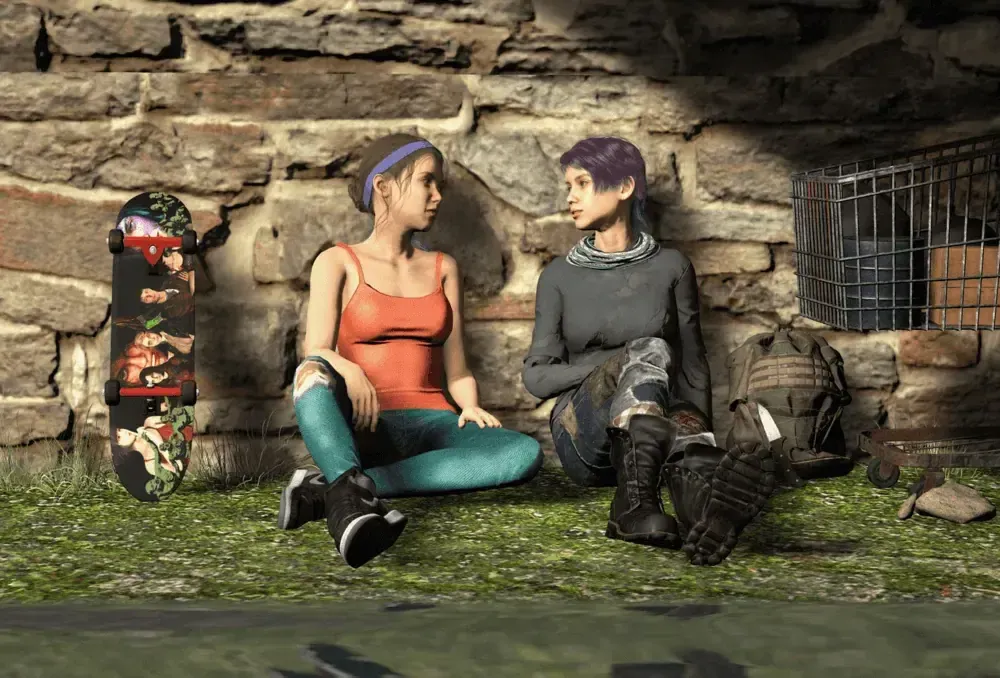
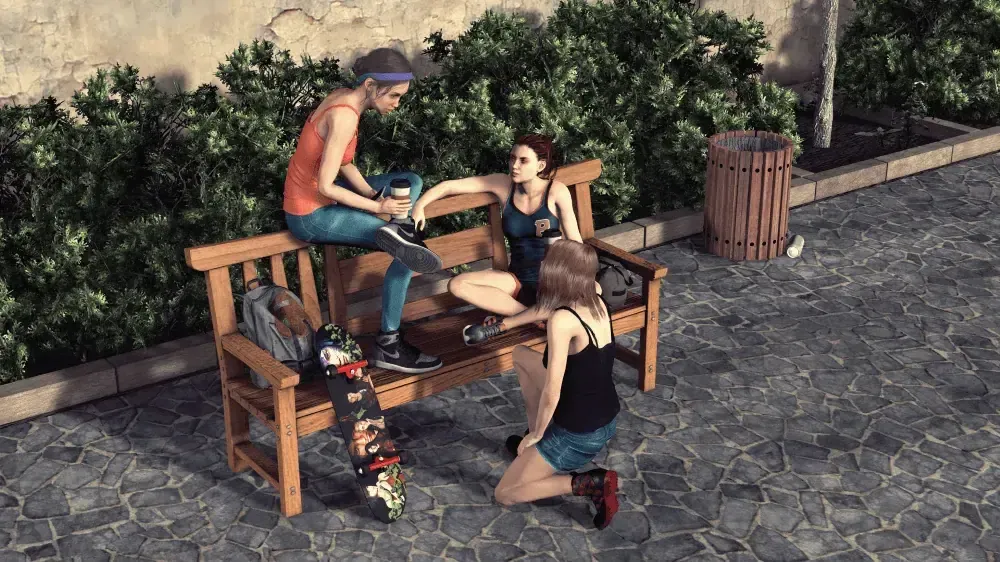
Short Sad Stories review
A personal look at the bittersweet moments, characters, and feelings inside Short Sad Stories
Short Sad Stories is a small narrative game built around quiet heartbreak, difficult choices, and the kind of melancholy that stays with you long after you close it. Instead of long, complex levels, it offers short vignettes that focus on feelings: regret, missed chances, and the things we never say out loud. In this article, I’ll walk you through what makes Short Sad Stories special, how its storytelling works, and why it can hit so hard in such a short playtime. Along the way, I’ll share personal impressions and practical tips to get the most from its emotional journey.
What Is Short Sad Stories Really About?
You know that feeling when a game leaves you sitting in the quiet after it’s over, just staring at the menu screen? Not because of a shocking plot twist or a dramatic death, but because of a simple, recognizable ache it pulled from your memory? That’s the unique space Short Sad Stories occupies. It’s less of a traditional game and more of a curated collection of interactive vignettes, each one a brief, self-contained exploration of a specific emotional situation.
Forget grand adventures and world-saving quests. This experience is built around the moments we all know but often leave unspoken: the unspoken love for a friend, the slow drift of a friendship, the unbridgeable distance within a family, or the weight of a small choice you can never take back. The Short Sad Stories game focuses overwhelmingly on atmosphere and raw feeling, using simple mechanics not to challenge your reflexes, but to gently involve you in the emotional texture of each scene. It’s a prime example of how narrative driven indie games can use intimacy as their greatest strength.
So, what is Short Sad Stories really about? At its heart, it’s about paying attention to the whispers of life, not the shouts.
How Short Sad Stories Turns Small Moments Into Big Feelings 🍂
The magic trick of this game is its alchemy of the ordinary. It understands that profound sadness is rarely a thunderclap; it’s the slow drip of a leaky faucet in an empty apartment. The developers wield minimalism like a master painter, using limited tools to create maximum emotional depth.
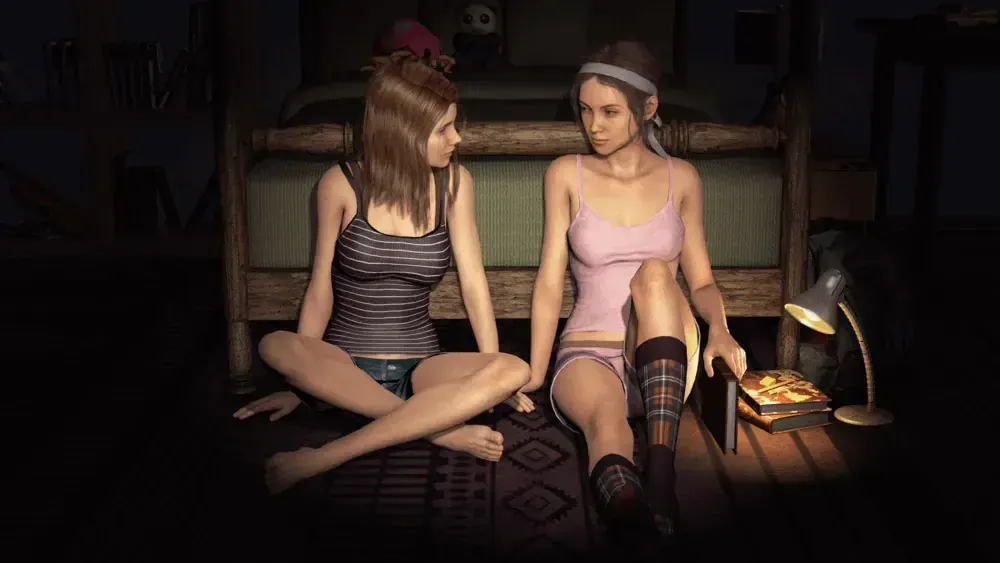
You’ll find yourself in everyday settings: a dimly lit bedroom late at night, a nearly empty diner, a park bench under grey skies. The interactions are deliberately simple—clicking to scroll through a phone, to pick up an object, to choose one dialogue option over another. There are no timers, no fail states. The pace is entirely yours, allowing you to sit with a feeling, to notice the subtle details that do all the heavy lifting.
And what details they are. The emotional weight isn’t in a monologue; it’s in the environmental storytelling. It’s in the half-finished text message left unsent in the draft folder. It’s the way a character’s sprite slumps slightly in a chair. It’s the presence of an empty chair at a table set for two. A single, fading photograph on a fridge. The game trusts you, the player, to read these clues and feel their significance. By making you an active participant in noticing these fragments—by having you click to open the fridge, to zoom in on the photo—it forges a deeper connection than passive watching ever could. This focused, poignant approach is what makes it stand out among short emotional story games.
| Traditional Narrative Game | “Short Sad Stories” Approach |
|---|---|
| Epic, overarching plot across 10+ hours. | Concentrated, short stories lasting 10-20 minutes each. |
| Complex mechanics (crafting, combat, skill trees). | Simple, intuitive interactions (click, drag, choose) that serve the mood. |
| Emotional payoff from character arcs and plot resolution. | Emotional resonance from recognizing a universal human moment. |
Core Themes: Loss, Regret, And Quiet Connection 💔
If you’re wondering about the Short Sad Stories themes, they are the delicate, often uncomfortable threads that connect our inner lives. The writing consistently avoids melodrama, preferring the power of what is felt but not said. You’ll spend much of your time reading between the lines, piecing together histories from fragments of memory and implication.
The game is a quiet study in loss—but not always the loss of a person. More often, it’s the loss of time, of potential, of a version of your life that once seemed possible. It’s about the paths not taken and the conversations that happened too late, or never at all. This ties directly into its exploration of regret, which manifests not as loud self-flagellation, but as a quiet, persistent hum in the background of a character’s existence.
Most poignantly, it focuses on fragile connection. Characters often struggle to express themselves, their love, or their apologies. They are separated by silence, by pride, by distance, or simply by the terrifying vulnerability of being honest. The stories aren’t always about repairing these breaks; sometimes, they’re just about acknowledging them, about sitting in the space of a relationship that has changed shape.
To put it simply, the core emotional pillars you’ll encounter are:
- Loss: Of people, moments, and possible futures. It’s the ghost in the room of every story.
- Regret: Over words unspoken and small, seemingly insignificant choices that echoed loudly.
- Distance: The growing space between people who once were close, measured in silent dinners and unanswered messages.
- Unspoken Feelings: The love, apology, or confession that sticks in a character’s throat, defining their interactions.
- Fragile Hope: The faint, sometimes painful belief that a connection, though damaged, might still hold a little light.
“Playing one chapter of Short Sad Stories felt heavier than finishing a 50-hour RPG. It was the weight of a single, perfectly captured memory—one that wasn’t even mine, but felt like it could be.”
This reflective quality is exactly why many seek out story driven games that make you cry. It’s not about manipulation, but about recognition and catharsis.
A Personal First Playthrough Experience 📱
I went into my first session of Short Sad Stories with cautious curiosity. I’d heard it was “sad,” but in the world of games, that often means tragic backstories and orchestral swells. I wasn’t prepared for its quiet power.
I loaded up a chapter titled, simply, “Notifications.” The scene was a character sitting on their bed at night, phone in hand. My control was basically just scrolling. I scrolled through an old message thread with someone named “Alex.” The conversation started warm, full of inside jokes and easy plans. 🥰 Then, the replies grew slower. The messages shorter. The tone shifted to polite, then distant. My final message in the thread, from months ago, was a simple “Hey, how have you been?” It was marked Read. There was no reply below it.
That was it. The segment ended. No explanation, no fallout, no dramatic confrontation.
But I sat there, frozen. I wasn’t just watching a character; I was performing an action I’ve done a hundred times in my own life—scrolling through the digital graveyard of past connections. The game didn’t tell me how to feel; it created the space, used the familiar interface of a messaging app, and let my own history flood in. I thought of my own “Alex” threads, people whose daily presence in my life had faded into a silent, archived history. The feeling was a potent mix of nostalgia, a sharp pinch of sadness, and a strange sense of appreciation for the clarity of the moment.
That’s the brilliance of Short Sad Stories. Its brevity isn’t a shortcoming; it’s the point. Like a perfectly crafted short story, it doesn’t overstay its welcome. It delivers its emotional note with precision and then ends, leaving the resonance to expand within you. It proved that a game doesn’t need dozens of hours to leave a lasting mark. Sometimes, all it needs is five minutes, a familiar setting, and the courage to focus on a quiet truth.
So, if you’re wondering what is Short Sad Stories about, know this: it’s about the echoes in empty spaces, the stories told in silences, and the profound emotional journeys that can happen without ever leaving a quiet room. It’s a testament to the power of subtlety, making it a must-play for anyone who believes games can be a mirror for our most human moments.
Short Sad Stories is not the kind of game you sink dozens of hours into; it is a brief, concentrated dose of feeling that lingers much longer than its runtime suggests. Through small moments, fragile conversations, and quiet choices, it invites you to think about your own experiences with distance, regret, and the people who have quietly slipped out of your life. If you decide to try it, give yourself the space to play slowly, read everything, and sit with each ending for a minute before moving on. Chances are, one of its short chapters will echo something you have lived through—and that is where its real power lies.