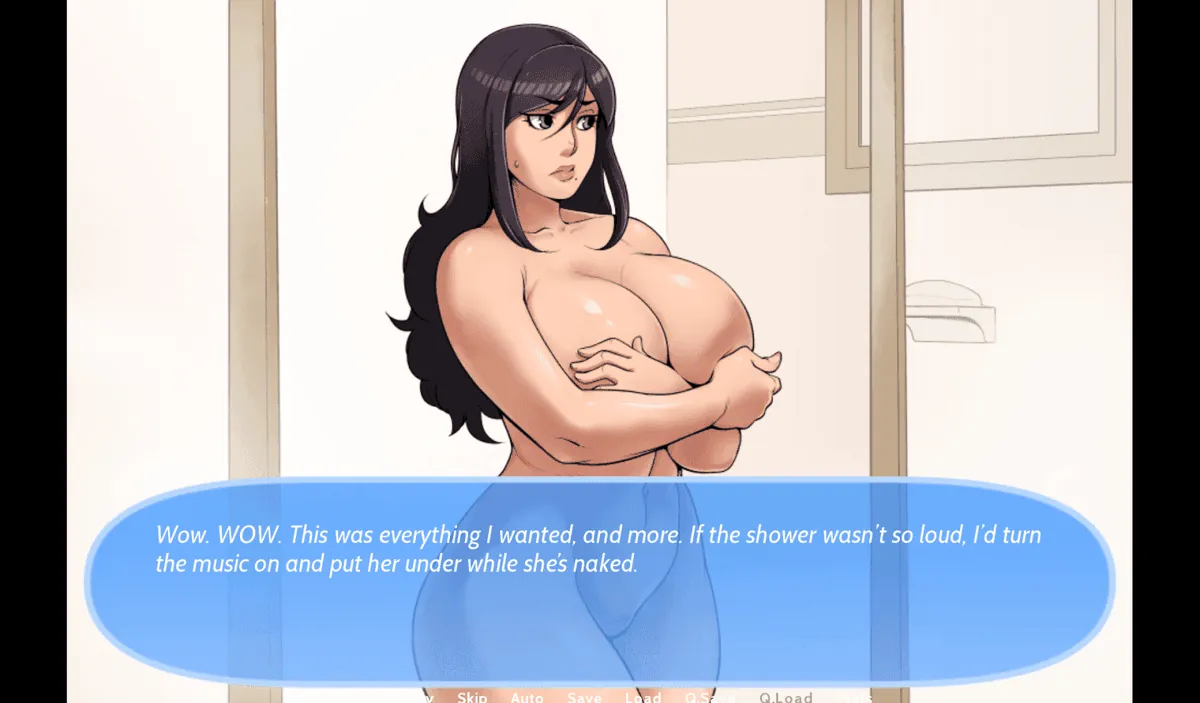
My Bully Is My Lover
Play My Bully Is My Lover
My Bully Is My Lover Screenshots
















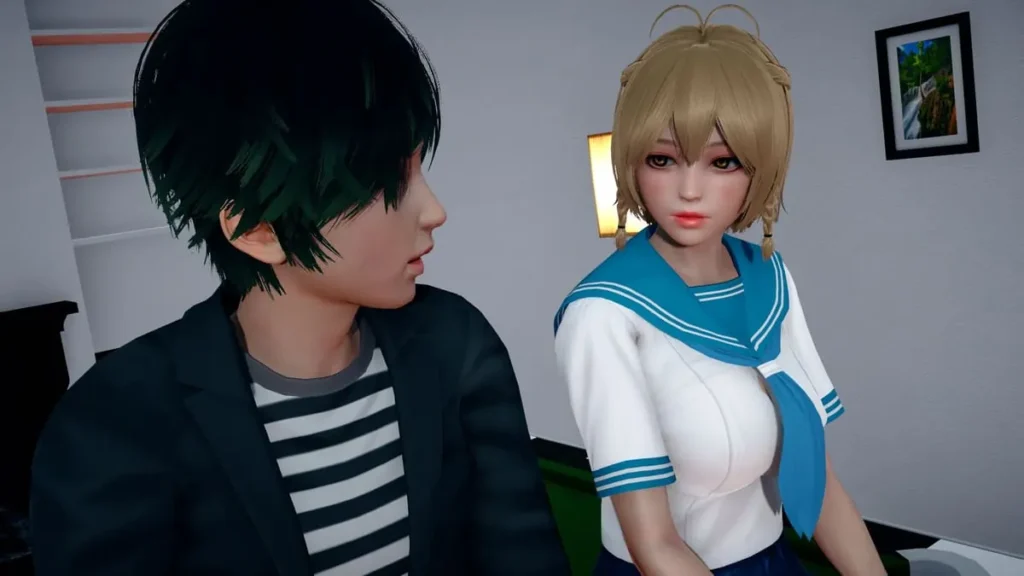



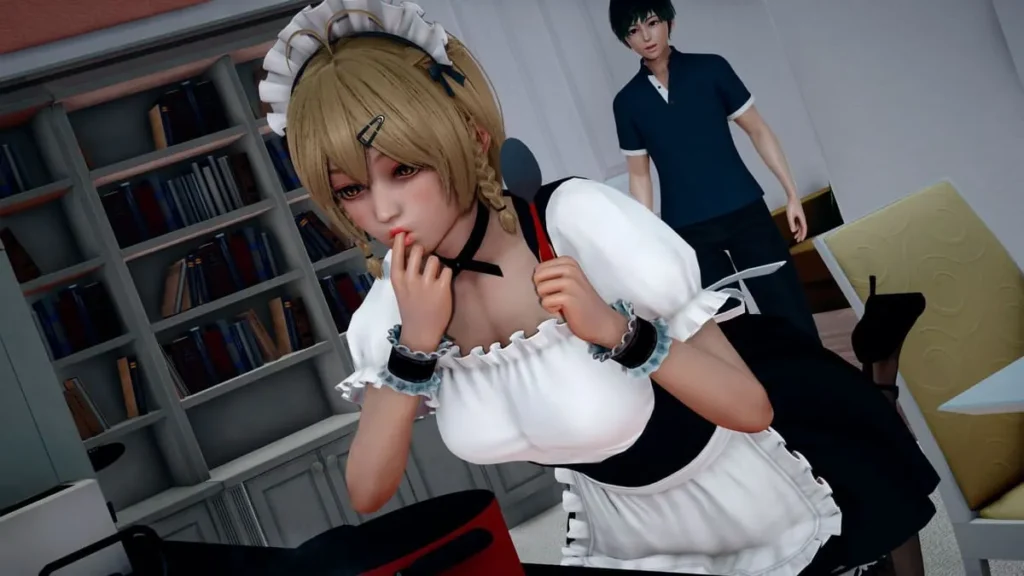
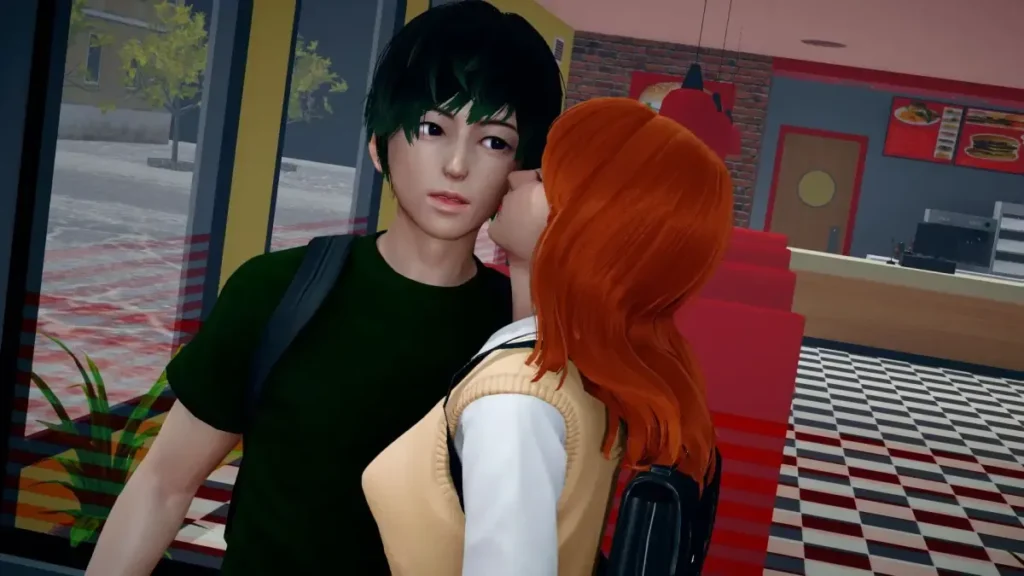



My Bully Is My Lover review
Explore the controversial narrative-driven game that blurs the lines between romance and revenge
My Bully Is My Lover is a narrative-driven game that explores complex themes of revenge, trauma, and toxic relationships through an unconventional storyline. The game draws inspiration from real events while creating a fictional interactive experience that challenges players to navigate morally ambiguous choices. This guide provides comprehensive insights into the game’s mechanics, character development, and the controversial narrative elements that have sparked discussions within the gaming community. Whether you’re curious about the gameplay or interested in understanding the story’s psychological depth, this article covers everything you need to know about this thought-provoking title.
Understanding the Game’s Core Narrative and Themes
At its heart, My Bully Is My Lover isn’t your typical visual novel. Forget saccharine meet-cutes and predictable love confessions 😅. This game throws you into a deeply emotional, often uncomfortable, and absolutely fascinating scenario where the person who once made your life a living nightmare re-enters it under entirely new—and complicated—circumstances. It’s a story that asks a provocative question: What happens when your past tormentor needs your help, and the lines between victim, savior, and lover become dangerously blurred?
This My Bully Is My Lover narrative is built on a foundation of raw, human complexity. It’s a game storyline and plot that deliberately challenges the conventions of the romance genre, opting for psychological depth over fantasy. If you’re ready for a story that will make you think, question your own choices, and feel a whirlwind of emotions, you’re in the right place. Let’s pull back the curtain on this compelling and controversial experience.
The Story Behind My Bully Is My Lover
Imagine running into the person who symbolized your worst school memories years later. The fear, the humiliation—it all comes rushing back. But now, they’re broken, vulnerable, and seeking solace from… you. That’s the explosive premise this game explores.
The game storyline and plot begins with our protagonist (who you name and guide) living a quiet, rebuilt life after the scars of adolescence. Enter Emma (or the primary bully character, depending on the route), the architect of that past pain. She’s not the powerful figure you remember; life has dealt her a devastating hand, leaving her isolated and in desperate need. The core dynamic is immediately turned on its head: the powerful becomes powerless, and the victim holds all the cards 🤯.
This setup is the engine for the game’s trauma-driven storytelling. The narrative doesn’t use past suffering as just a cheap backstory. It’s the active, throbbing nerve center of every interaction. Your character’s memories flash back at key moments, not as simple cutscenes, but as visceral experiences that color your present decisions. Will you offer kindness, driven by empathy for her current state? Or will you seize this chance for a long-awaited reckoning, initiating a revenge narrative gameplay arc?
What makes the My Bully Is My Lover narrative so gripping is its refusal to offer easy answers. The game forces you to sit with the discomfort. Is Emma’s remorse genuine, or a manipulation born of her new circumstances? Is your protagonist’s potential attraction a form of healing, or a troubling cycle repeating itself? This constant, uneasy questioning is the story’s greatest strength, making the player choice consequences feel monumentally important from the very first dialogue option.
Character Development and Relationship Dynamics
The characters in this game are masterclasses in contradiction and slow-burn revelation. They are not archetypes, but fractured people shaped by their pasts and struggling with their presents. Understanding the intricate web of character relationships in game is key to navigating the emotional minefield.
Let’s break down the key players you’ll encounter on this journey.
| Character | Role | Key Traits & Motivations |
|---|---|---|
| Protagonist (You) | The Victim/Turned Catalyst | Defined by your choices. Can be compassionate, cynical, vengeful, or a mix. Your core motivation is processing past trauma while deciding the fate of your former bully. |
| Emma (Primary Bully) | The Antagonist/Turned Supplicant | Once arrogant and cruel, now shattered by a personal tragedy. Her motivation is seeking redemption and connection, but her methods can be flawed and manipulative, blurring the line between genuine change and desperation. |
| Liam (Best Friend) | The Moral Compass | Witnessed your past suffering. His motivation is to protect you, often serving as a voice of caution against re-engaging with Emma, forcing you to defend or question your choices. |
| Aisha (Emma’s Friend) | The Bridge & Context Provider | Offers insights into Emma’s past and current life that you never saw. Her motivation is to help her friend, but she also challenges Emma, adding layers to the story. |
The character relationships in game are defined by shifting power dynamics. Initially, you have the emotional power. Emma needs something from you—forgiveness, shelter, human connection. This reversal is intoxicating and forms the basis of the revenge narrative gameplay possibility. You can choose to make her jump through hoops, relishing the control you never had.
But as the story unfolds, that power can shift again. Emma’s vulnerabilities might chip away at your resolve. You might learn about the circumstances that created her bully persona—not as an excuse, but as a complicated explanation. This is where the game’s portrayal of toxic relationship themes becomes nuanced. It explores how cycles of pain can perpetuate, and how a relationship born from such a skewed power balance can struggle to find healthy footing, even with the best intentions.
I remember my first playthrough, determined to stay cold and aloof. But a late-night conversation where Emma broke down, not with dramatic tears, but with a quiet, exhausted honesty about her own fears, completely derailed me. The game had successfully made me see the human behind the monster I’d built in my memory. It was uncomfortable, challenging, and brilliantly executed.
Exploring Trauma and Revenge Mechanics
This is where My Bully Is My Lover separates itself from the pack. It doesn’t just tell a story about trauma and revenge; it makes you inhabit those concepts through its mechanics. The trauma-driven storytelling is embedded in the gameplay itself.
Your protagonist’s anxiety isn’t just mentioned in text; it’s represented through optional internal monologue and subtle UI changes during stressful interactions. You might get a choice to “Stand Your Ground” or “Diffuse the Situation,” but a third, sometimes hidden option flavored by your past—“Freeze in Fear”—might also appear. Choosing it isn’t a failure; it’s a realistic human response that steers the narrative down a different, perhaps more introspective, path.
Now, let’s talk about the revenge narrative gameplay. The game provides you with legitimate tools to wield your newfound power.
Tip: The game never judges you for pursuing revenge. It simply shows the consequences, which often include isolating other characters who care about you and hardening your own protagonist’s heart.
You can choose dialogue options that are deliberately cold, sarcastic, or designed to make Emma confront her past actions in the harshest light. You can agree to help her, but with stringent, almost humiliating conditions. This path is a dark power fantasy that feels disturbingly satisfying in the moment, showcasing the seductive nature of payback.
But the true mastery of the My Bully Is My Lover narrative is in the backlash. Pursuing pure revenge often closes off avenues of deeper understanding. You might miss crucial story scenes that humanize Emma, and your relationship with side characters like Liam will become strained as they witness your descent into bitterness. The player choice consequences here are profound: you might “win” against your bully but lose pieces of your own character’s humanity in the process.
Conversely, choosing a path of cautious empathy opens different doors. You might unlock scenes of vulnerable honesty and slowly piece together a more complete picture of the past. However, this path is fraught with its own perils—the risk of being manipulated, of reopening wounds without proper healing, and of engaging with toxic relationship themes from the other side, where you enable bad behavior out of pity.
Here’s a specific example of player choice consequences in action:
* Scenario: Emma asks for a significant favor, reminding you of a promise she extracted from you under duress in the past.
* Choice A (Confrontational): “You don’t get to ask me for anything. Remember what you did? This is what it feels like.” This assertively rejects her request, reinforcing your boundaries. Consequence: Emma’s path becomes more desperate and closed-off. A side character may applaud your strength, but a potential route to understanding her current motives is permanently sealed.
* Choice B (Ambivalent): “I don’t owe you. But… tell me why it’s so important to you.” This opens a dialogue. Consequence: You are pulled into a longer scene that drains your time (a resource in the game) and emotionally fatigues your character, but you gain critical story information that changes the context of your entire shared history.
Neither choice is “correct.” One prioritizes self-preservation, the other painful growth. This is the essence of the game’s design.
Ultimately, My Bully Is My Lover uses its challenging premise to explore redemption, the lasting impact of our actions, and the messy, non-linear path to healing. Its trauma-driven storytelling and focus on player choice consequences create a uniquely personal experience. Whether you seek a story of cathartic revenge, complicated forgiveness, or something painfully in-between, this game respects your agency and then masterfully shows you the weight of it. It’s a bold, unforgettable journey into the gray areas of the heart, proving that the most compelling stories are often the ones that make us the most uneasy.
My Bully Is My Lover stands out as a game that deliberately challenges conventional storytelling in the romance genre by intertwining themes of trauma, revenge, and complex emotional relationships. The game’s narrative depth and willingness to explore morally gray areas have made it a subject of both critical acclaim and controversy within gaming communities. Understanding the game’s core mechanics, character motivations, and thematic elements provides players with a richer experience and context for the choices they make throughout their playthrough. Whether you approach the game as a narrative exploration or a character study, My Bully Is My Lover offers a unique perspective on how interactive media can address difficult psychological themes while maintaining player agency and emotional engagement.