
Long Road Home
Play Long Road Home
Long Road Home Screenshots
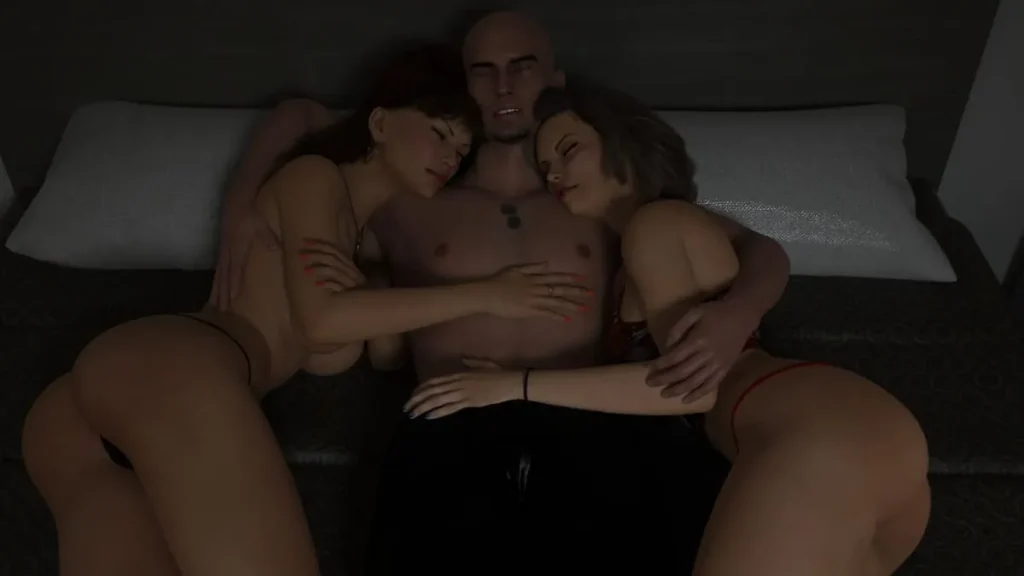














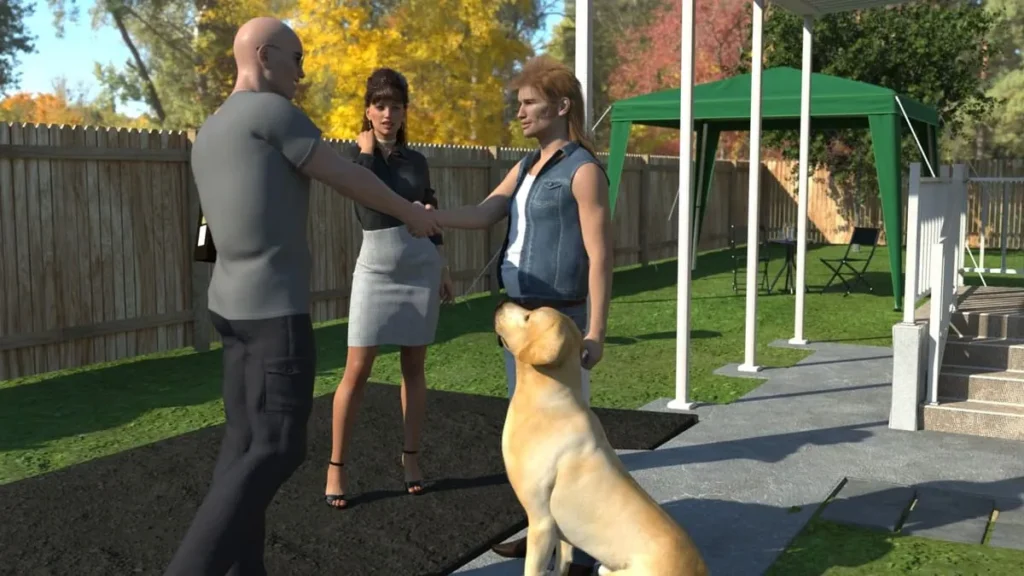










Long Road Home review
Dive into the gripping story of a prison ex-con’s wild journey with rival clubs and tough choices
Imagine stepping out of prison gates, heart pounding, with nothing but the clothes on your back and a mind still caged by the past. That’s where Long Road Home drops you right in, as Alexander embarks on a raw quest to fill the emptiness left by his lost family. This OBDGames visual novel masterfully weaves intense storytelling with choice-driven paths, rival biker clubs, and intimate character moments that hit hard. I’ve lost nights to its over 300 story outcomes, mixing survival strategy with emotional depth. If you’re craving a game where every decision—from flirting with club girls to betraying allies—shapes your fate, Long Road Home delivers unforgettably. Let’s break down why it’s a must-play.
What Makes Long Road Home’s Story So Addictive?
I still remember the moment I realized I wasn’t just playing a game—I was living someone else’s haunted life. 🫣 It was my first night playing Long Road Home, and Alexander, our protagonist, was technically free. He’d just walked out of the Kansas Federal Penitentiary gates, the world stretching before him. But instead of feeling liberated, I felt a crushing weight. His eyes, tired and empty, told the real Long Road Home story. The physical bars were gone, but the emotional prison of his past—the loss, the guilt, the sheer nothingness he had to return to—was a cage he carried with him. That’s the genius hook of this ex-con journey game; it’s not about the ride, it’s about the unbearable silence between engine roars when you’re utterly alone with your regrets. 😮💨
This is the core of what Long Road Home is about. You aren’t guiding a hero; you’re nursing a broken man’s soul back to life, one gritty, morally ambiguous mile at a time.
The Ex-Con’s Emotional Prison and Quest for Belonging
Alexander’s release isn’t a victory parade; it’s a cruel joke. The world moved on without him. He’s penniless, purposeless, and haunted by ghosts he can’t outrun. The Long Road Home plot summary starts simple: get home. But “home” is just a memory, a concept that shatters upon contact with reality. This is where the game truly excels as a prison release visual novel. Your choices aren’t about gaining power or loot; they’re about answering one painful question: Who is Alexander now?
Is he the man who upholds a fragile moral code, even when starving? Or will he become what the system always said he was? I faced this early on. A simple choice to steal a loaf of bread didn’t just affect my hunger meter; it etched a line on Alexander’s face. It changed how he spoke to himself in internal monologues. The journey is a mirror, and it forces you to confront what you’re willing to sacrifice for survival and, eventually, for something resembling peace. The quest isn’t for a place, but for a person—the man Alexander might still become.
Rival Biker Clubs: Power Struggles and Acceptance Tasks
This solitary journey collides spectacularly with the brutal, tribal world of outlaw motorcycle clubs. On that long, dusty highway, Alexander’s path crosses two warring factions: the Serpents and the Vultures. This isn’t a background setting; it’s the explosive catalyst for the entire Long Road Home story.
These biker clubs in Long Road Home are more than just aesthetic. They are fractured families, each with its own warped code, intense loyalties, and seething rivalries. The Serpents might offer a twisted sense of brotherhood, while the Vultures promise raw power and freedom from society’s rules. Getting involved with either is dangerous, but for a man with nothing, the allure of a “family” is a potent drug. 🏍️💥
You don’t just join. You earn your place. The game hits you with brutal acceptance tasks that serve as moral gut-checks. A club lieutenant might order you to collect a “debt” from a struggling single parent. Do you follow orders to gain trust, or do you defy them and risk becoming the next target? The power struggles within and between the clubs create a dynamic battlefield where a single conversation can shift alliances and paint a target on your back. Navigating this world is the heart of this rival outlaw clubs game.
To understand the stakes, here’s a look at the two primary forces vying for Alexander’s allegiance:
| Club | Philosophy | What They Offer Alexander | The Hidden Cost |
|---|---|---|---|
| The Iron Serpents | Strict code, twisted honor, “brotherhood above all” | Structure, a perverse sense of family & belonging | Complete sublimation of self; you become their weapon |
| The Vulture Crew | Anarchic freedom, pure survival of the fittest | Power, autonomy, freedom from any rules | Total isolation; trust is nonexistent, betrayal is inevitable |
🤯 The tension isn’t just in gunfights or chase scenes—it’s in the quiet moments when you have to decide which of these flawed, dangerous worlds you’ll lean into.
“I’ve played hundreds of narrative games, but Long Road Home made me pause my screen and just stare at a choice for ten minutes. It’s not a game; it’s interactive art about the scars we carry and the families we choose.” – A player’s review that perfectly captures the experience.
How Your Choices Create 300+ Unique Endings
This is where Long Road Home separates itself from the pack. We’re not talking about a “good, bad, and neutral” ending slide. We’re talking about a sprawling web of consequences where every dialogue choice, every stolen item, every kept promise, and every ignored plea permanently etches itself into the narrative. The game boasts over 300 unique endings, and after playing through multiple times, I believe it.
Let me give you a personal case study. 🕵️♂️ In one playthrough, early on, I saw a wounded stranger by the side of the road. Pressed for time and wanting to avoid trouble, I rode on. It seemed inconsequential. Hours later, my truck broke down in the middle of nowhere. I was stranded. I then discovered that the wounded stranger was a skilled mechanic who, if helped, would have later appeared in town and fixed my vehicle for free. My earlier “small” choice had silently closed a major path, forcing me into a desperate (and costly) bargain with a shady club affiliate. The game remembers everything.
Your decisions forge permanent bonds or create lifelong enemies within the biker clubs in Long Road Home. They determine who survives, who trusts you, and what legacy Alexander leaves behind—whether he’s remembered as a vengeful ghost, a redeemed soul, a ruthless club king, or a quiet man who finally found his own path.
- Romance Branches: Will you find a fragile connection with another lost soul, or will your club loyalties destroy it?
- Betrayal Branches: Can you play both sides of the club war for your own gain, and for how long before it collapses?
- Conflict Branches: When forced to choose between your new “family” and your crumbling morals, which side wins?
The Long Road Home plot summary for your game will be yours alone. It could be a tale of ruthless ascension within a club, a tragic fall from grace, a hard-won solitary redemption, or a bittersweet escape with a loved one. The spectrum is breathtaking.
So, what is Long Road Home about at its conclusion? It’s about self-discovery forged in fire. It’s about realizing that the “long road home” is actually the journey inward. The game masterfully uses its ex-con journey game framework to explore universal themes: the weight of past mistakes, the desperate need for connection, and the painful, beautiful work of rebuilding a self.
My actionable advice? Once you finish your first playthrough, immediately start a new save. 😉 Go in with a completely different mentality. Be a ruthless survivor instead of a penitent man, or vice-versa. You’ll be stunned at how the same opening scenes branch into wildly different narratives, introducing you to characters and storylines you never knew existed. The true depth of this Long Road Home story is only revealed in the replay, where you see the ghosts of your other choices in the roads not taken. It’s a haunting, brilliant, and utterly addictive experience that stays with you long after the final ride. 🏍️✨
Long Road Home isn’t just a game—it’s a rollercoaster of tough choices, raw emotions, and surprising twists that linger long after you quit. From Alexander’s prison release to navigating biker rivalries and forging risky bonds, every path reveals more about redemption and what family really means. My own runs taught me to mix those colored dialogue options for the richest experience, avoiding one-note endings. If you’re ready for a story where your decisions truly matter, fire it up today. Grab the latest Ep.16 version, experiment boldly, and share your wildest outcomes in the comments—what club did you join, and did it fill the void?