
Infinite Jump Screenshots



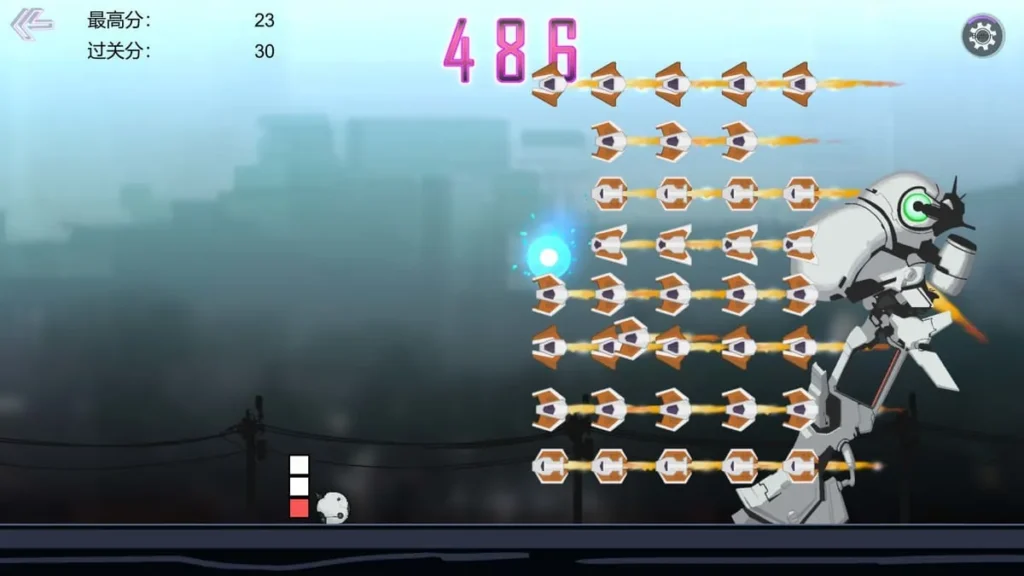


Infinite Jump review
Master the momentum-based platforming experience with progressive challenges and skill-based rewards
Infinite Jump stands out as a distinctive blend of precision platforming and engaging mechanics that challenges players to master momentum-based jumping systems. This game combines fast-paced acrobatic gameplay with progressive difficulty that adapts to your skill level, creating an addictive experience that rewards both timing and strategy. Whether you’re a casual gamer exploring new titles or a platforming enthusiast seeking your next challenge, Infinite Jump delivers a unique gaming experience that keeps players coming back for more. The game’s innovative approach to jumping mechanics and level generation creates a dynamic environment where every playthrough feels fresh and demanding.
Core Gameplay Mechanics: Understanding Infinite Jump’s Movement System
Remember that frustrating moment in a platformer where you just couldn’t nail a jump? You’d build up a little speed, tap the button, and… fall just short of the ledge. You were playing by the rules, but the rules felt limiting. 🤔
Infinite Jump throws that entire rulebook out the window. At its heart, this isn’t just another game about getting from point A to point B. It’s a symphony of motion, a physics playground where your skill directly fuels your speed and style. The entire experience is built on a revolutionary platformer movement system that turns jumping from a simple action into an art form. Forget static hops; here, you build, maintain, and ride momentum like a wave. 🌊
Mastering this system is the difference between clunky progress and flowing, gravity-defying artistry. So, let’s break down the core mechanics that make Infinite Jump so uniquely thrilling.
How Momentum-Based Jumping Works
The first thing you need to unlearn is everything you know about jumping in games. Traditional platformers often use a fixed jump arc: press the button, and your character performs a predictable, pre-set leap. Infinite Jump replaces this with a dynamic, living platformer physics engine. Think of it less like pressing a “jump” button and more like pulling back on a slingshot—the longer you charge it (by chaining jumps), the farther and faster you’ll fly.
Here’s the core concept: momentum-based jumping mechanics mean each successive jump in a chain is more powerful than the last, provided you don’t touch the ground. When you launch from a standstill, it’s a modest hop. But if you bounce off a wall, then a platform, then a moving hazard, you’re not just linking jumps—you’re building kinetic energy. The game’s engine is constantly calculating your velocity, direction, and acceleration, feeding that data into the next leap.
Pro Tip: Don’t stop jumping! Even a tiny bounce off the side of a wall keeps your momentum counter ticking. Hesitation is your biggest enemy.
This creates a delicious risk-reward loop. To go faster and reach higher areas, you must stay airborne and chain your bounces. But more speed means less reaction time and tighter margins for error. The platformer physics engine is unforgiving but fair; it follows consistent rules that you can learn and exploit. I remember my first successful “run” where I finally understood this. I stopped thinking about individual platforms and started feeling the rhythm of the boosts, leaning into turns and watching my speedometer climb. It was less like playing a game and more like conducting an orchestra of motion. 🎻
This foundation of momentum is what makes every other mechanic in the game possible. It’s the engine that drives the entire experience.
Mastering the Jump Combo System
If momentum is the engine, the jump combo system is the style meter, score multiplier, and your personal highlight reel all rolled into one. This system is the brilliant gatekeeper to Infinite Jump‘s true high-score potential. It doesn’t just track jumps; it rewards fluid, uninterrupted motion.
The rule is beautifully simple: your combo multiplies as long as you touch any surface before landing on solid ground. A surface can be a wall, a ceiling, a moving platform, a bounce pad, or even certain types of enemies. The moment your feet touch the “floor” of a level, your combo resets to 1x. But keep yourself airborne through strategic touches, and you’ll watch your multiplier—and your score—skyrocket.
This is where the game shifts from platforming to parkour. You’re no longer just navigating obstacles; you’re using them as stepping stones to maintain your flow. A wall isn’t a barrier; it’s a tool for a wicked corner turn. A spike hazard, when grazed perfectly, becomes a risky boost pad. The jump combo system actively encourages this creative, aggressive playstyle.
Let’s walk through a basic to advanced sequence:
- The Starter (1x Combo): Launch from a stationary platform with a standard jump.
- The Link (2x Combo): Immediately bounce off a nearby vertical wall. Don’t stop holding your directional input!
- The Build (4x Combo): From the wall bounce, land a clean hit on a small, floating platform. Your jump from here will be noticeably stronger.
- The Extension (8x Combo): Use that increased power to reach a distant moving platform. Even a glancing touch keeps the combo alive.
- The Master Stroke (16x Combo): As the moving platform carries you, leap off and deliberately skim the side of a hazard block, using it to change direction mid-air toward a collectible, before finally landing on a safe platform far below. Your combo is intact, and your score is booming. 🚀
The beauty of this jump combo system is its emergent depth. Speedrunners have discovered insane “breaks” by combining specific movement upgrades. One famous community clip shows a player using the “Hyper-Kick” upgrade off a wall, chaining it into a “Slingshot” grapple from a moving object, effectively bypassing an entire vertical shaft that was designed to be climbed slowly. The game’s platformer physics engine allows for these moments of genius, making you feel like a movement savant when you pull them off.
Collision Detection and Precision Control
All this high-speed, combo-chaining action would be an exercise in frustration if the game couldn’t keep up with your precision. This is where Infinite Jump‘s technical brilliance shines: its collision detection platformer coding. We’re talking pixel-perfect accuracy. When you skim a wall with a single pixel of your character’s shoe, the game registers it. When you miss a tiny platform by a hair, you know it was your fault, not the game’s.
This razor-sharp collision detection platformer system is what enables true skill-based play. It builds immense trust. You learn that if you can visualize a path, the game’s physics will reliably execute it. This precision is crucial for managing your infinite jump air control.
Air control is your ability to steer and adjust your trajectory once you’ve launched. Unlike some games where you’re committed to an arc, Infinite Jump gives you a surprising amount of influence mid-flight. You can accelerate, brake slightly, or curve your path. However, this control isn’t absolute—it’s a dance with your accumulated momentum.
Think of it like driving a speedboat: At low speeds, you can turn on a dime. At top speed, making a hard turn will cause you to oversteer and spin out. The same is true here.
This is the most common pitfall for new players. They build up huge speed, see a turn coming, and jam the directional control all the way, expecting an instant 90-degree pivot. Instead, they overshoot the platform completely. The key is subtle, predictive input. Start your turn before you need it, and use gentle taps to guide your massive kinetic energy, not fight it.
Here are key tips for mastering momentum control and avoiding common mistakes:
- Look Ahead, Not Down: Your focus should be 3-4 platforms ahead, not on your character’s feet. Plan your route for flow.
- Feather the Controls: At high speed, tiny directional inputs have huge effects. Avoid holding the direction pad/key at full tilt unless you’re going straight.
- Use Walls as Brakes and Pivots: Gently brushing a wall can kill sideways drift and set you up for a clean bounce in a new direction. A heavy hit will reset your momentum.
- Practice “Stop and Go”: In a safe area, practice building speed and then consciously letting go of all inputs to feel how far you coast. Knowing your glide distance is vital.
- Embrace the Bounce: Not every platform needs a “land and jump.” Often, simply angling your approach to bounce off the side is faster and keeps your combo safer.
This marriage of perfect collision detection platformer tech and nuanced infinite jump air control is what separates the beginners from the masters. It turns the chaotic-seeming gameplay into a precise, predictable, and incredibly rewarding science.
| Common Beginner Mistake | Why It Happens | The Advanced Fix |
|---|---|---|
| Overshooting narrow platforms | Overcorrecting with harsh directional input at high speed. | Start the turn earlier and use gentle, sustained pressure instead of a hard tap. |
| Dropping a combo after a wall bounce | Failing to input the next jump command quickly enough after the collision. | Buffer the jump command *as* you make contact with the wall. Think “through” the obstacle. |
| Losing all speed on landing | Coming to a complete stop on a platform instead of using it as a springboard. | Hit the platform at an angle or edge and jump off immediately. Treat every surface as temporary. |
The world you navigate is just as dynamic as your movement. The game employs a sophisticated procedural level generation system. It doesn’t just create random levels; it creates intelligent ones that adapt to your growing prowess. Early on, you’ll see straightforward gaps and static hazards. But as you unlock faster movement upgrades and demonstrate skill by maintaining higher combos, the algorithm responds.
That straight gap becomes a series of disappearing blocks. Static spikes become rotating blades you must time your bounces through. The procedural level generation ensures you’re always at the edge of your ability, constantly presented with challenges that test your mastery of the platformer movement system. It learns from your play, creating longer sequences that demand perfect infinite jump air control and clever use of the jump combo system to survive.
Mastering Infinite Jump is a journey of becoming one with its physics. It starts with understanding the momentum-based jumping mechanics, evolves into choreographing chains with the jump combo system, and is perfected through pixel-perfect precision granted by its collision detection platformer foundation. When all these elements click, you achieve a state of flow that few games can offer—a pure, unbroken line of motion where you, the character, and the world are in perfect sync. Now get out there and build some momentum
Infinite Jump delivers a compelling platforming experience that successfully balances accessibility with depth. The momentum-based jumping system creates a fluid, responsive feel that rewards player skill and timing, while the progressive difficulty ensures that challenges remain engaging without becoming frustrating. The jump combo mechanics serve as both a gameplay system and a progression tool, connecting mechanical mastery directly to visual rewards and character customization. Whether you’re drawn to the precision platforming, the adaptive level design, or the satisfaction of chaining together increasingly complex jump sequences, Infinite Jump offers something unique in the platformer genre. The game’s commitment to emergent gameplay and player-driven discovery means that even experienced players continue finding new ways to interact with its mechanics. If you’re looking for a platformer that respects your skill development while constantly pushing you to improve, Infinite Jump is worth exploring.