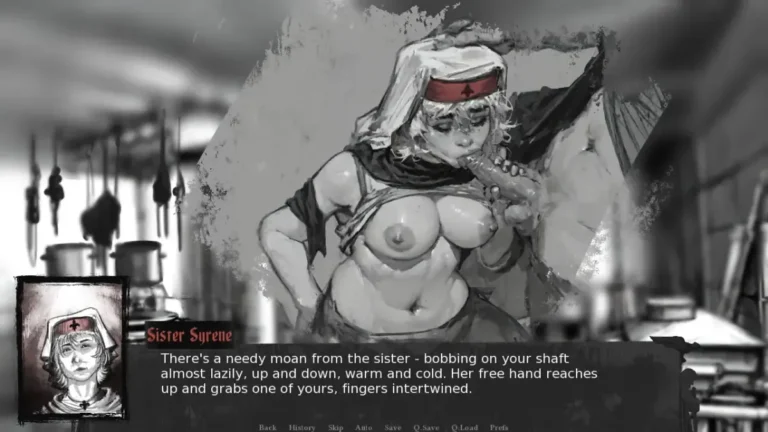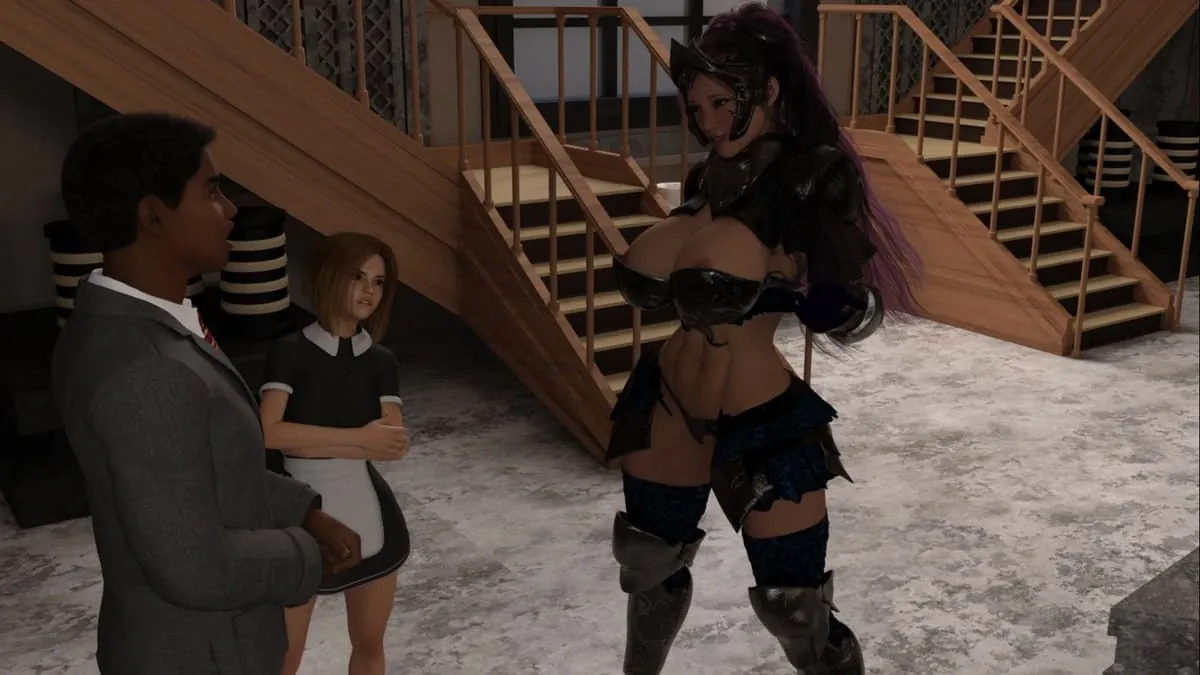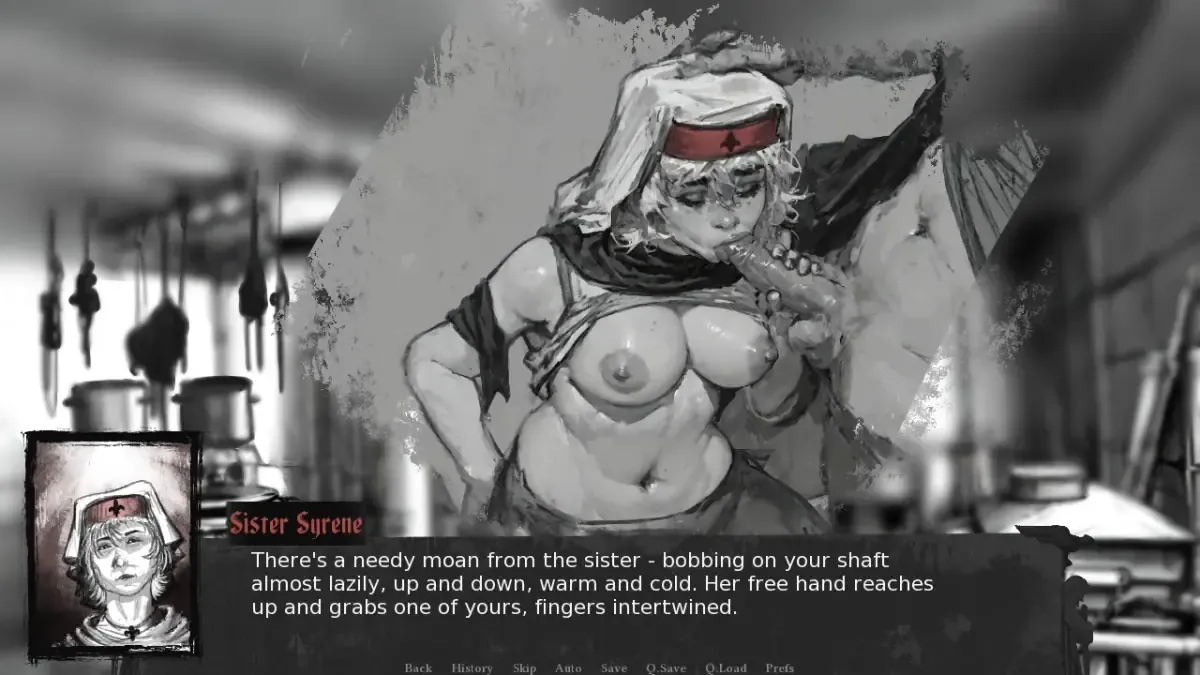
Imperium Bureaucracy Hero
Play Imperium Bureaucracy Hero
Imperium Bureaucracy Hero Screenshots
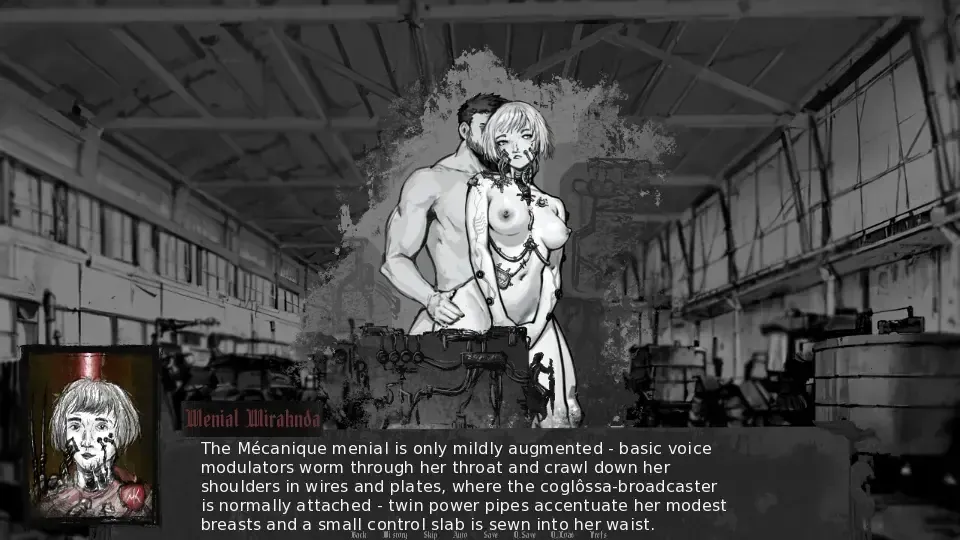
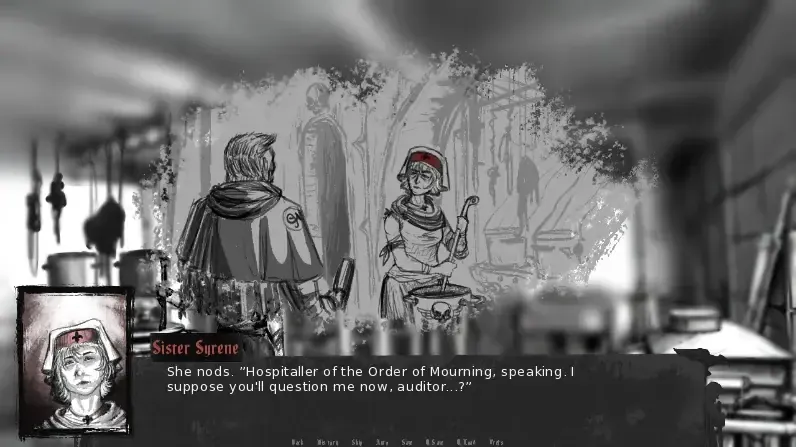
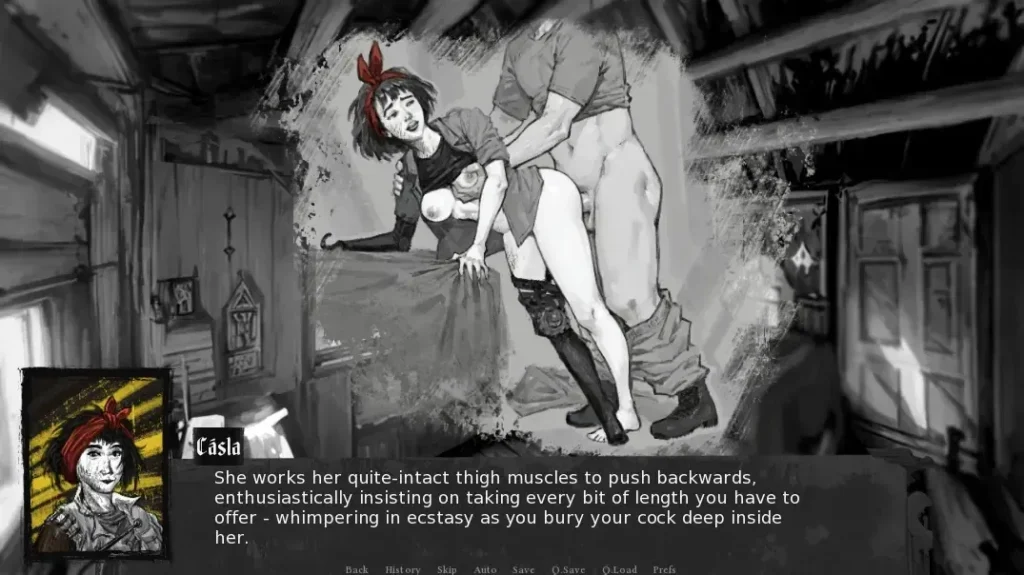
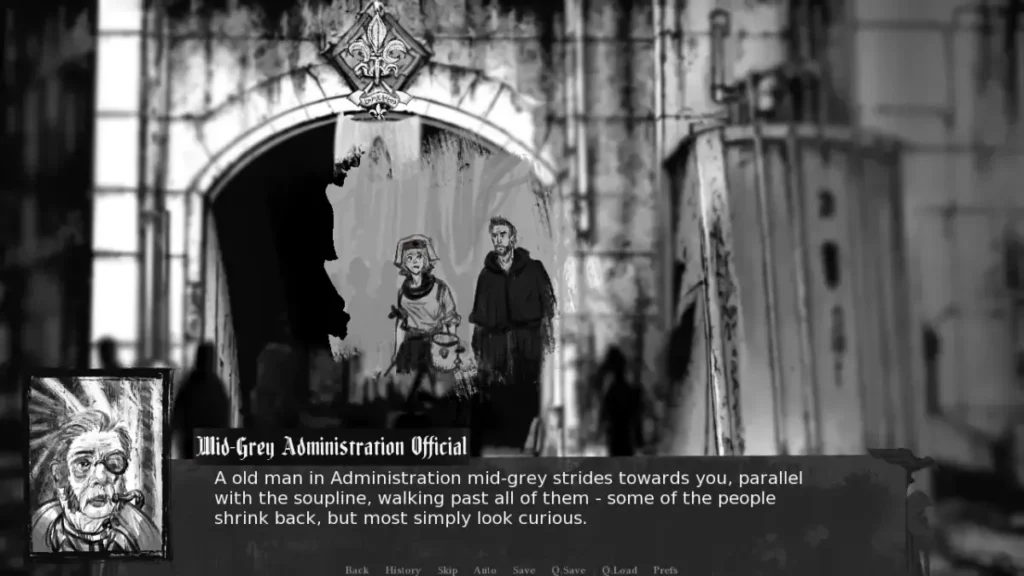
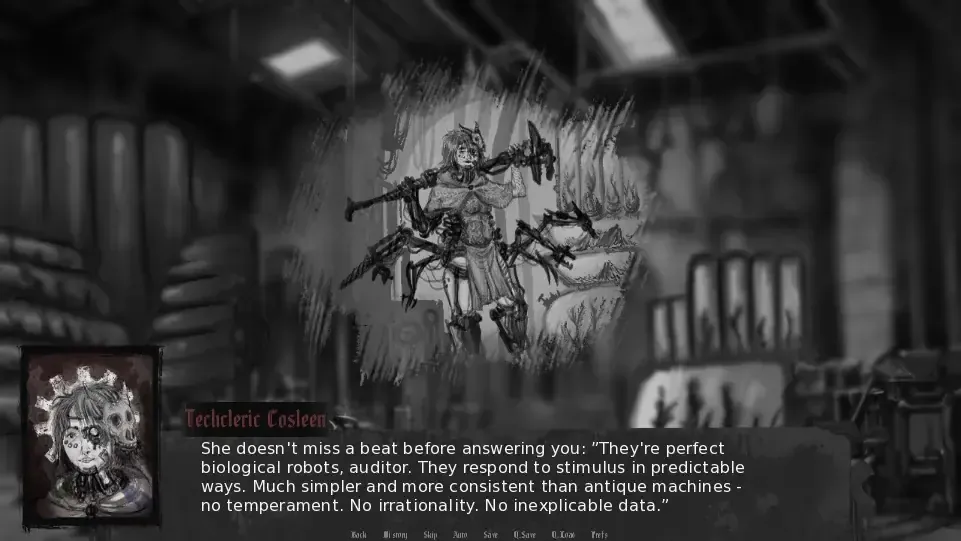
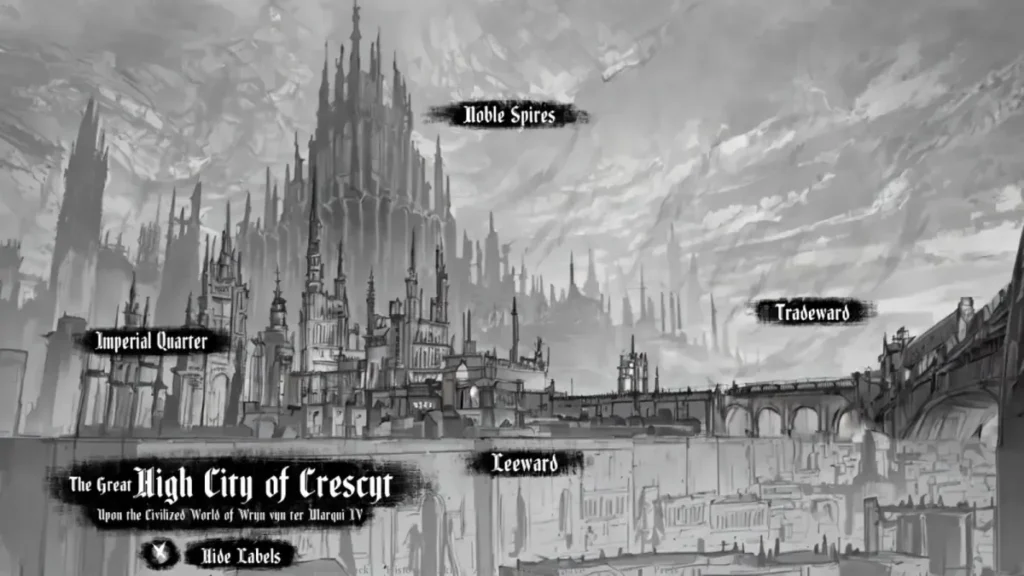
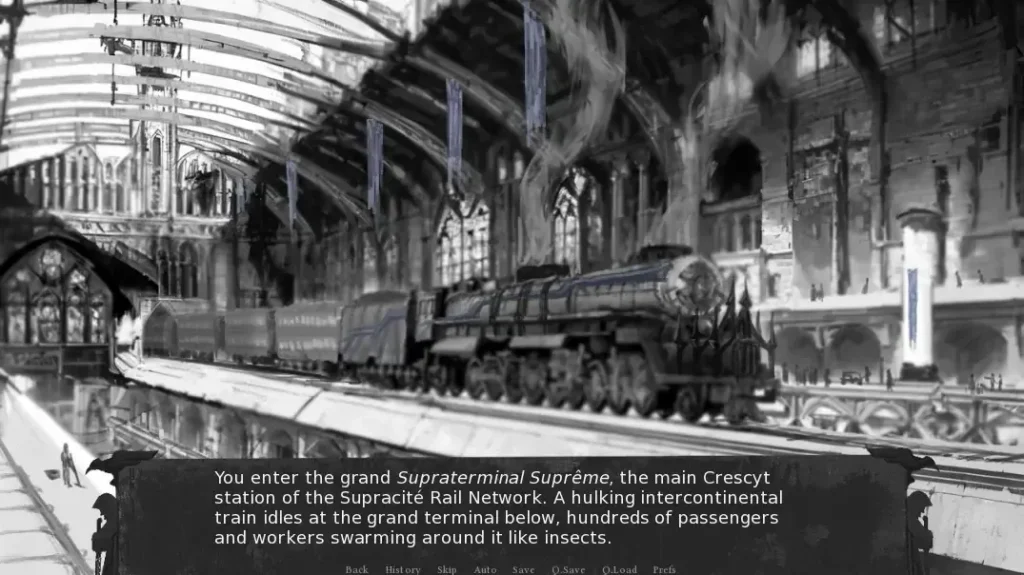
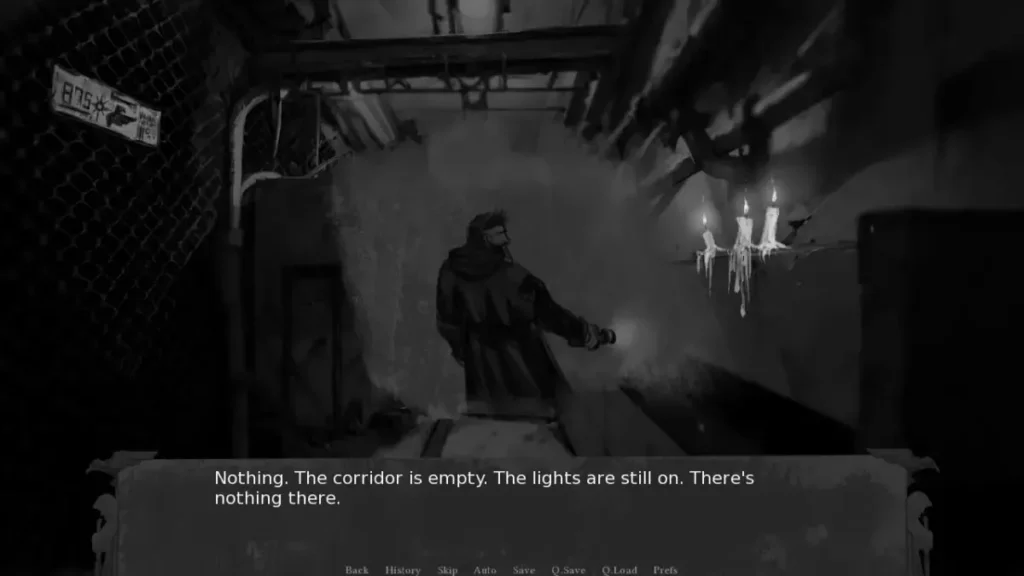
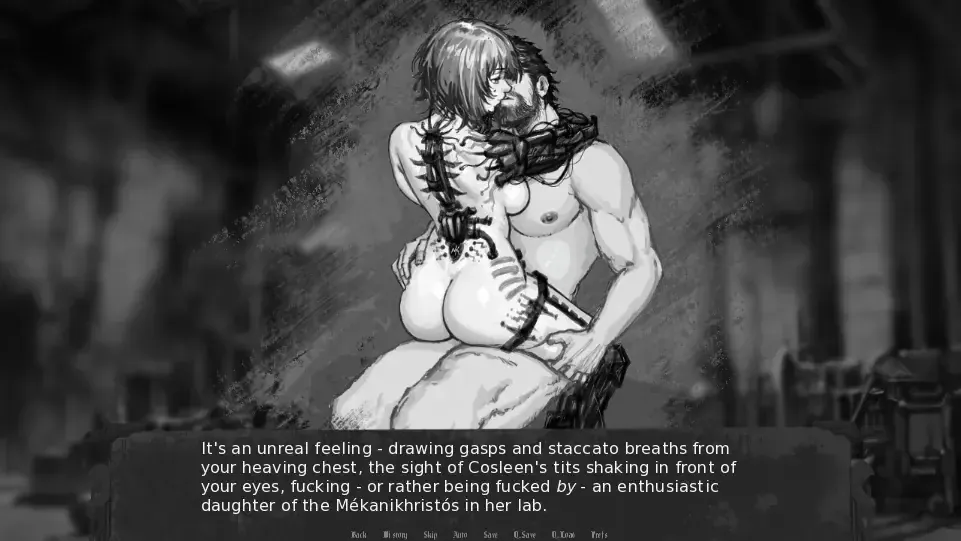
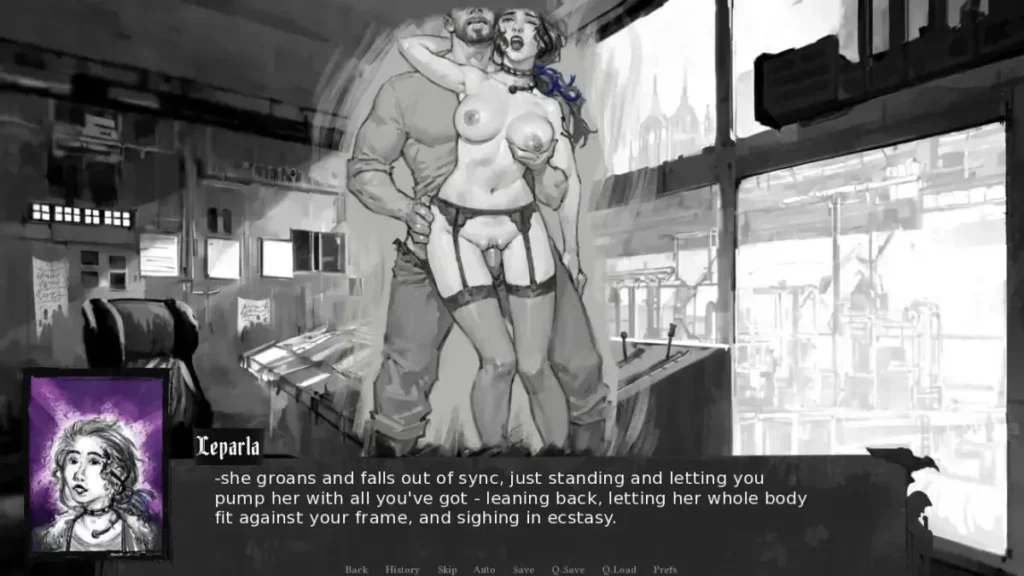
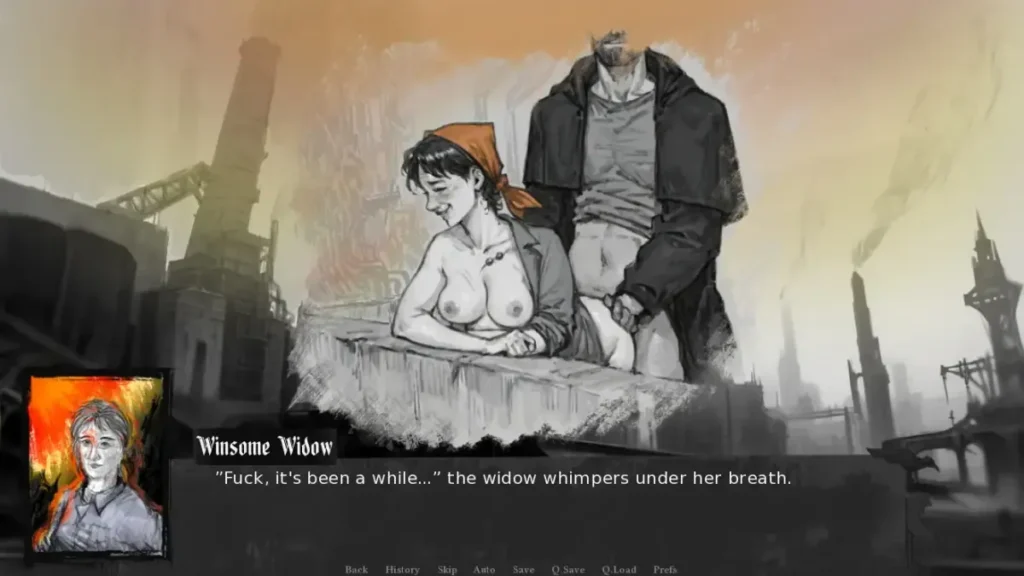
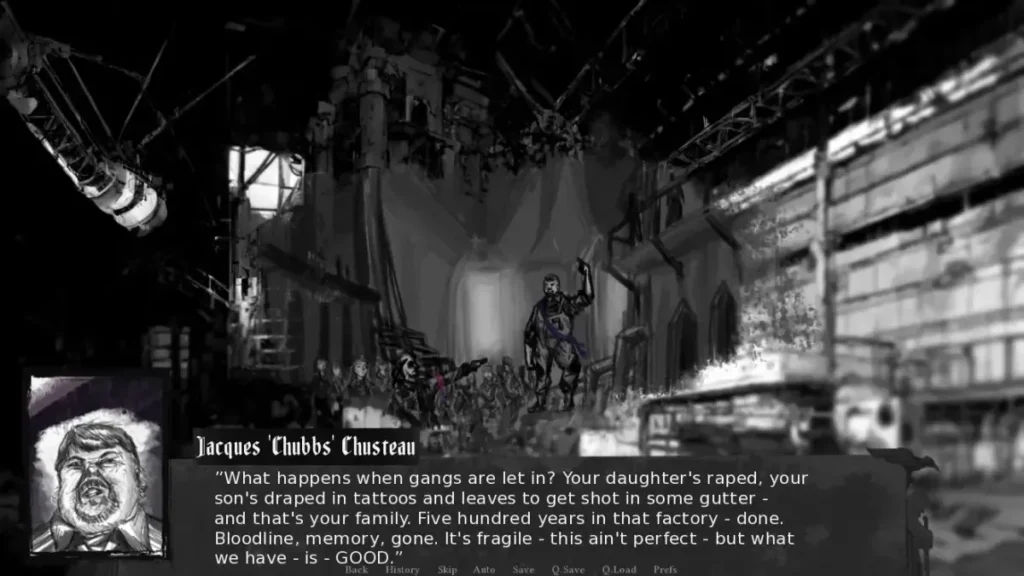
Imperium Bureaucracy Hero review
Exploring gameplay mechanics, narrative depth, and what makes this interactive experience unique
Imperium Bureaucracy Hero stands out as a narrative-driven interactive experience that challenges players to navigate complex moral decisions within a richly detailed world. Inspired by the Warhammer 40K universe, this game puts you in the role of a bureaucrat tasked with managing resources, making difficult choices, and interacting with diverse characters. Whether you’re drawn to strategic decision-making, compelling storytelling, or character-driven narratives, Imperium Bureaucracy Hero offers a unique blend of gameplay elements that keeps players engaged. This guide explores what makes the game compelling, how it plays, and why it’s gained attention within the gaming community.
Understanding Imperium Bureaucracy Hero: Core Gameplay and Experience
Imagine the most tedious job in the most oppressive, soul-crushing galaxy imaginable. Now, imagine someone made a game about it, and it’s utterly brilliant. 🤯 That’s the delightful contradiction at the heart of Imperium Bureaucracy Hero. You don’t wield a chainsword against hordes of aliens; you wield a data-slate against mountains of paperwork. But don’t let the premise fool you—this is one of the most gripping and intelligent interactive narrative game mechanics experiences you’ll find.
This chapter is your deep dive into the engine room of this unique title. We’ll strip away the administratum sealant and examine the core Imperium Bureaucracy Hero gameplay, understanding how it turns the act of filing forms and managing quotas into a thrilling test of morality, strategy, and social skill. So, grab a cup of recaf, adjust your servo-skull, and let’s get to work.
What Is Imperium Bureaucracy Hero and How Does It Play?
At its core, Imperium Bureaucracy Hero is a masterclass in atmospheric simulation and strategic choice. You play as a mid-level adept within the Byzantine bureaucracy of the Imperium of Man, a setting lovingly and horrifyingly borrowed from the Warhammer 40K inspired game universe. Your goal isn’t conquest, but survival and, perhaps, a shred of influence.
The core loop is deceptively simple. Each “day” presents you with a stack of issues: resource allocation requests from different departments, personnel disputes, external missives from Imperial authorities, and personal appeals from fellow adepts. Your screen is a marvel of grimdark UI—a terminal filled with request forms, resource ledgers, and communique logs. The genius of the Imperium Bureaucracy Hero gameplay is how it layers systems on top of this simple premise.
You’re constantly juggling three key pillars:
- The Ticking Clock: Every decision takes processing time. Choosing to deeply investigate a suspicious resource discrepancy might mean two other, simpler requests go unprocessed, hurting the efficiency metrics your superiors care about.
- The Human (and Not-So-Human) Element: Each request comes from a character with a name, a face, and an agenda. Denying a request from the zealous Ecclesiarchy representative has different social ramifications than denying one from the pragmatic Munitions foreman.
- The Resource Web: You don’t manage raw materials directly, but you control their approval. Allocating precious power to the Medicae ward might mean the Barracks goes cold, affecting morale. This resource management strategy is abstracted but deeply impactful.
It’s a constant, tense balancing act. The game brilliantly makes you feel the pressure of a bureaucrat. I remember one session where I was so focused on hitting a production quota for the front lines that I expedited every related form. Only later did I discover my rash approvals had diverted food supplies from a refugee hab-block, leading to unrest I then had to suppress. The game never told me I was causing starvation; it showed me through later reports and the hollow eyes of a character who’d come to me for help earlier. That’s the power of its design.
Here are the key gameplay features that make this all work:
| Feature | How It Manifests in Gameplay |
|---|---|
| Decision Branching | Every form, conversation, and log entry can present multiple choices, from how you phrase a denial to which clause of the Imperial Code you cite. These branches weave together to create a truly unique story. |
| Character Interactions | Your colleagues, subordinates, and superiors are not just request generators. They have memories, alliances, and grievances. How you treat them forms the bedrock of the character relationship building system. |
| Resource Allocation | You manage abstract “Favor,” “Influence,” and departmental budgets. Approving a costly request consumes resources, while successful completions can generate them. It’s a tight, strategic loop. |
| Consequence Tracking | The game has a hidden “memory.” Characters reference your past actions, and decisions can unlock or lock away entire story threads hours later. Your office’s status screen slowly changes to reflect your legacy. |
For those wondering about access, the beauty of this narrative-driven experience is its reach. While primarily on PC, the game’s structure makes it perfectly suited for mobile play through platforms like JoiPlay for Android users, letting you manage the Imperium’s paperwork during your own commute.
The Decision-Making System: Moral Choices That Matter
This is where Imperium Bureaucracy Hero transforms from a clever sim into a narrative masterpiece. The decision-making game system here is all about weight and ambiguity. You are never choosing between a clearly marked “Good” or “Evil” option. You’re choosing between “Efficient” and “Compassionate,” “Loyal” and “Practical,” or “By the Book” and “For the Greater Good.” The moral choice consequences are severe, subtle, and often heartbreaking.
Let’s walk through a real scenario I faced, which perfectly illustrates the system’s depth.
A Case Study: The Faulty Lascells
A shipment of lasgun power packs (lascells) bound for the front lines has a 5% failure rate. The regimental quartermaster, a gruff but honest soldier named Holt, begs you to embargo the lot and request a re-supply. The Munitorum factor who produced them, a politically well-connected adept, insists the failure rate is within “acceptable wartime margins” and delays will hurt the war effort. Your own superior just wants the paperwork cleared.
- Choice A (Strict Adherence): Approve the shipment as-is, citing the “acceptable margins” regulation. You please your boss and the factor, maintain efficiency stats, and get the guns to the front quickly. Holt is furious, and his trust evaporates.
- Choice B (Investigate): Launch a full inquiry. This consumes significant time and influence. You might discover the factor is cutting corners for profit, forcing a re-supply and earning Holt’s loyalty. Or, you might find the flaw is minor, having wasted precious time and angering both your boss and the factor for no gain.
- Choice C (Creative Bureaucracy): “Approve” the shipment but add a hidden conditional clause routing it to a low-priority garrison first for “field testing.” This avoids immediate front-line risk and doesn’t directly accuse the factor, but it’s a complex, risky legal maneuver that could backfire spectacularly if discovered.
I chose to investigate. It took two in-game days of burning political capital. I found the corruption, forced a re-supply, and Holt became a staunch ally. The moral choice consequences? Weeks later, a different regiment did face a supply shortage because my investigation delayed the broader logistics chain. A character I’d never met sent a scathing missive about men dying with empty rifles. The game didn’t give me a “Mission Failed” screen. It gave me guilt. It presented the moral choice consequences not as a score, but as a lingering, unshakable part of the narrative.
This is the essence of the decision-making game system. It forces you to role-play not as a hero, but as a cog in a monstrous machine, trying to find pockets of humanity or efficiency—often at the expense of the other. The Warhammer 40K inspired game setting isn’t just aesthetic; it’s the crucible that makes these dilemmas so potent. In a universe where trillions die as a statistic, does saving ten lives by risking a hundred matter? The game lets you answer that, over and over, and live with the echoes of your answer.
Character Interactions and Relationship Building
If the decision system is the brain of the experience, the character relationship building is its beating heart. 🫀 Your office is a microcosm of the Imperium, filled with individuals trying to survive. There’s the pious adept who sees every order as divine will, the cynical veteran who’s seen it all, the ambitious newcomer, and the broken soul just trying to get through the day.
Your interactions with them are not through grand cinematic dialogues, but through the paperwork you approve or deny, the tone of your written replies, and the small favors you choose to do in side conversations. This is where the game’s celebrated writing shines. A character’s dossier isn’t just stats; it’s a collection of their past requests, your notes on them, and their changing demeanor towards you.
For example, consistently helping a subordinate in the Sanitation detail with their resource requests might seem trivial. But this investment in character relationship building can pay off unexpectedly. That subordinate might later overhear a rumor about a rival department plotting to undermine you and slip you a warning datapad. Alternatively, consistently ignoring the personal pleas of a colleague might mean they “lose” a critical report you need when you’re under pressure from a superior.
The system tracks relationships on a spectrum from “Hostile” to “Ally,” but it’s far from binary. Characters have their own relationships with each other. Helping someone’s friend might improve your standing with both, while helping someone’s rival could damage it. It creates a dynamic social web you must navigate.
This character relationship building is seamlessly tied to the resource management strategy. “Favor” is a key resource, and it’s earned almost exclusively through positive relationships. Need a report fast-tracked? It’ll cost Favor with the clerk in the Archives. Want to discreetly look into someone’s records? You’ll need an Ally in the Logis-temple. Your network is your power base.
The brilliance is that none of this feels transactional. Because the writing gives each character such a distinct voice and motivation, you find yourself making choices based on genuine, role-played sentiment. I once protected a clerk who made a serious error, forging a report to cover for her, simply because her earlier messages reminded me of a struggling friend. It was a terrible resource management strategy, costing me huge influence, and it later gave a rival leverage over me. But in that moment, it felt human. And in the grim darkness of the far future, that moment of humanity felt more valuable than any resource. That is the unique alchemy of Imperium Bureaucracy Hero—it’s a game about systems that somehow makes you feel more than any simple action game could.
It proves that the most compelling battles aren’t fought with bolters, but with memos, and the most complex puzzles aren’t found in tombs, but in the human heart, even one beating under the uniform of the Imperium.
Imperium Bureaucracy Hero delivers a compelling experience that combines strategic decision-making with rich narrative storytelling. The game’s strength lies in its ability to present genuine moral dilemmas where players must weigh personal advancement against helping others, creating moments of real reflection. With praised writing quality, meaningful character interactions, and a setting inspired by expansive science fiction lore, the game offers depth beyond its surface mechanics. Whether you’re interested in narrative-driven games, strategic choice systems, or character-focused storytelling, Imperium Bureaucracy Hero provides an engaging experience that rewards thoughtful decision-making. For players seeking a game that challenges both their strategic thinking and moral compass, this title deserves your attention.