Friendship with Benefits
Play Friendship with Benefits
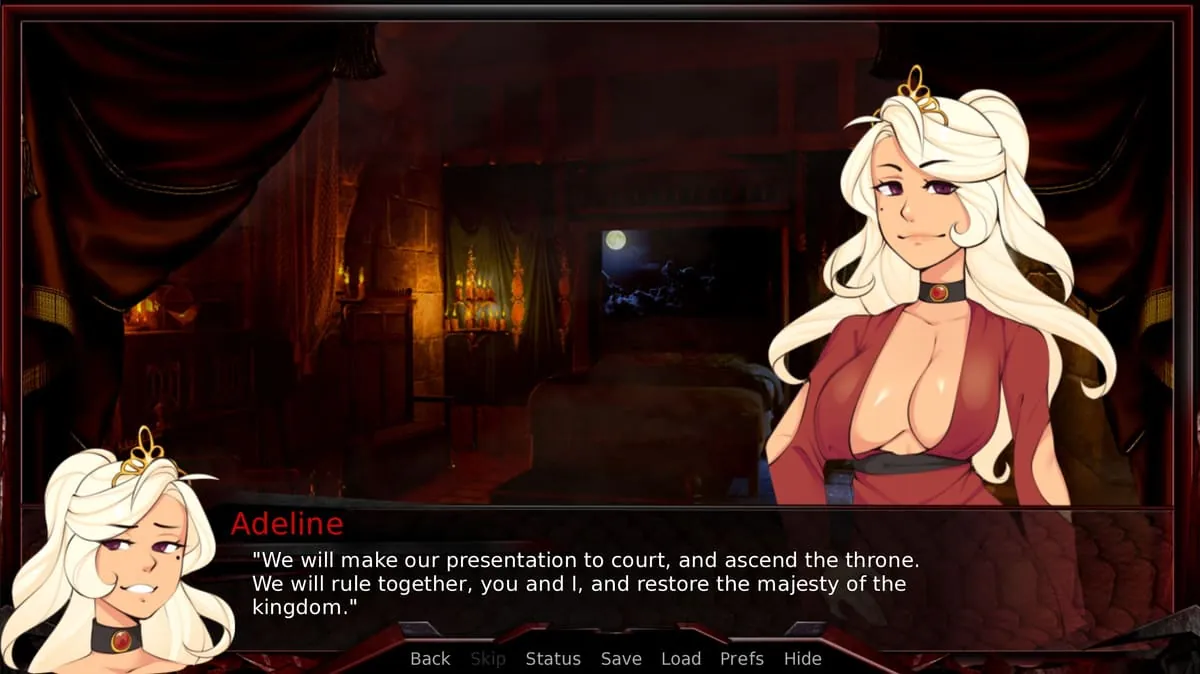
Friendship with Benefits Screenshots





Friendship with Benefits review
Explore gameplay mechanics, character development, and narrative choices in this indie visual novel experience
Friendship with Benefits stands out as a narrative-driven indie game that combines relationship simulation with meaningful choice-based storytelling. This visual novel experience focuses on character development and branching narratives where player decisions directly impact relationship outcomes and story progression. Whether you’re interested in understanding the game mechanics, exploring character dynamics, or discovering what makes this title unique in the indie gaming landscape, this guide provides comprehensive insights into every aspect of the experience. The game has garnered attention for its writing quality and emotional depth, making it a notable entry in the visual novel genre.
Understanding the Core Gameplay and Mechanics
So, you’ve started playing Friendship with Benefits and you’re already staring at a dialogue option, your cursor hovering, paralyzed by the weight of it all. 😅 “Should I be the supportive friend or crack a joke?” “Do I ask about their past or change the subject?” If you’ve ever felt that delicious anxiety, you’ve already tapped into the heart of this game. It’s not about flashy graphics or complex controls; it’s about the power of your decisions. This complete guide is here to peel back the layers of its brilliant design. We’ll explore the Friendship with Benefits game mechanics that make every choice feel meaningful, and how its choice-based visual novel gameplay turns you from a passive reader into the chief architect of the story.
At its core, this indie gem is a masterclass in player agency. It understands that real relationships are built on a thousand tiny moments—a shared glance, a vulnerable admission, a poorly-timed joke. The game captures that essence, transforming your clicks into genuine emotional currency. Let’s dive in and understand how it all works. 🤔
How Choice-Based Storytelling Works in the Game
Forget the illusion of choice. In many narrative games, you pick a dialogue option only for characters to react the same way 10 minutes later. Friendship with Benefits subverts that entirely. Here, your decisions are the engine of the plot. The visual novel decision making is less about picking a “good” or “bad” path and more about defining who you are in this story and, consequently, who your friends become.
The system is elegant in its simplicity. During conversations and key moments, you’re presented with options that reflect different attitudes: empathetic, assertive, flirtatious, sarcastic, or reserved. There’s rarely a universally “correct” pick. Instead, each choice does two crucial things:
- It immediately shapes the scene. The conversation flows in a completely unique direction based on your selection. A character might open up, shut down, laugh, or be offended right then and there.
- It silently updates a hidden ledger. Your choice contributes to your standing with each character and can lock or unlock future possibilities.
Pro Tip: Don’t play trying to “win” or please everyone. Play authentically. The most rewarding playthroughs in this indie game story choices landscape come from sticking to a personality and seeing where it leads, even if it causes conflict. Some of the best narrative payoffs come from repaired rifts!
The game brilliantly avoids blatant morality meters. You won’t see “Kai: +5” pop up on screen. This lack of obvious scoring makes interactions feel organic, not transactional. You’re learning a character’s likes and dislikes through experience, just like in real life. Maybe you learn that Sam appreciates directness but hates pity, or that Morgan values privacy over unsolicited advice. This nuanced approach is what defines the Friendship with Benefits game mechanics.
To truly master the relationship dynamics, follow this mental checklist when you see those dialogue options appear:
- Step 1: Context is King. 💡 Where are you in the story? What just happened? A lighthearted joke during a tense moment will land very differently than one during a casual hangout.
- Step 2: Know Your Friend. Recall past interactions. What has this character responded well to before? Have they hinted at a sore subject?
- Step 3: Define Your Goal. Are you trying to deepen this friendship, lighten the mood, gather information, or set a personal boundary? Your choice should align with that intention.
- Step 4: Embrace Consequences. Understand that a choice that brings you closer to one character might create distance with another, especially in group scenes. This isn’t a flaw; it’s a feature of complex relationship progression systems.
- Step 5: Live with It. The game highly encourages living with your decisions. Resist the quick-save/quick-load temptation for a first playthrough. The story is more powerful when you own your mistakes and surprises.
Character Interaction Systems and Relationship Progression
This is where Friendship with Benefits truly shines. The characters don’t just have a single “friendship level” you grind up. Think of your relationship with each person as a multifaceted profile, shaped by a character affinity system that tracks multiple dimensions: trust, comfort, respect, and romantic tension (where applicable).
Every interaction—a dialogue choice, a decision to spend time with them, or even a choice you make about them when they’re not present—subtly adjusts these hidden sliders. This complex web is the engine of the relationship progression system.
For example, constantly choosing playful, teasing options with a character might build “comfort” and “romantic tension” but could stall “respect” if overused in serious moments. Conversely, always being the solemn, supportive friend might max out “trust” but leave “comfort” lagging, resulting in a stable but perhaps less dynamic bond.
| Interaction Type | Primary Affinity Affected | Potential Narrative Impact |
|---|---|---|
| Choosing to share a personal secret | Trust | Unlocks their own vulnerable stories later; can lead to unique, intimate scenes. |
| Supporting their goal vs. offering pragmatic criticism | Respect / Comfort | Determines if they see you as a cheerleader or a trusted advisor; influences which subplots become available. |
| Remembering & referencing a past detail | All (Shows you care) | Often triggers special, heartfelt dialogue options that aren’t available otherwise. |
| Flirtatious dialogue during key moments | Romantic Tension | Slowly branches the relationship from platonic into potentially romantic, altering future scenes. |
These affinities directly gate your experience. A high level of trust might unlock a character’s backstory chapter. A sufficient level of comfort might allow you to invite them to certain locations. This system makes every relationship feel unique and earned.
I remember one playthrough where I focused entirely on building a deep, trusting platonic bond with Alex. In a later chapter, when a crisis hit, Alex showed up at my door without me asking—a scene that friends who pursued a romantic route told me they never saw. That moment felt incredibly earned because the game’s character affinity system recognized the specific nature of our bond. It wasn’t just “high friendship points”; it was high trust and respect.
This granular progression is the cornerstone of the Friendship with Benefits game mechanics. It ensures that two players can both be “good friends” with a character but have wildly different relationships with them based on the quality of their interactions.
Game Structure and Narrative Branching
If the relationships are the threads, the narrative is the tapestry they weave. Friendship with Benefits employs a sophisticated structure of branching narrative paths that puts many larger games to shame. It’s not a simple “Act 1, Act 2, Act 3” with a few choice-based endings. Instead, think of it as a growing tree where major branches sprout their own smaller, unique branches.
The game is divided into chapters, often tied to seasons or major life events (e.g., “Summer Festival,” “University Finals,” “The Winter Trip”). Your choices and relationship states at the end of each chapter determine the starting conditions for the next. A choice in Chapter 2 might not change Chapter 3 dramatically, but it could completely alter which version of Chapter 5 you experience.
Here’s a real scenario to show how deep this goes:
The Scenario: In Chapter 3, the group plans a weekend getaway. Morgan is anxious about the travel.
* Choice A (Reassure Publicly): You loudly reassure Morgan in front of the group, boosting their confidence. The trip happens smoothly.
* Choice B (Pull Aside Privately): You pull Morgan aside, suggest a compromise, and offer to room with them for comfort.The Branching: Both choices get you on the trip, but the narrative forks radically.
* Path A: Morgan is grateful but slightly embarrassed. During the trip, they try to “prove” they’re independent, leading to a subplot where they get lost on a hike. Your relationship is tested in a rescue/conflict scenario.
* Path B: The private moment builds significant trust. On the trip, because you’re rooming together, Morgan confesses a deep-seated fear late one night. This unlocks a completely unique, quiet subplot about their childhood, and in future chapters, they will seek your counsel privately more often. A character who was on the periphery of the friend group in Path A might now become your closest confidant.
This example shows how branching narrative paths aren’t just about the big, dramatic “yes/no” decisions. They are often seeded in small, interpersonal moments that redefine character dynamics for the rest of the story.
The game’s structure supports immense replay value. The save system allows you to bookmark key decision points, but the real joy is starting fresh with a new personality. Maybe on your first run, you were the group’s mediator. Next time, be the chaotic instigator! You’ll be shocked at how many scenes, dialogues, and even entire character subplots you missed. The indie game story choices are so plentiful that seeing “40% of players chose this option” after a key decision is a common and thrilling moment.
The pacing is deliberate, allowing you to soak in the consequences of your actions. It balances player agency with narrative direction by using “plot anchors”—key events that will happen no matter what, but how they happen and who you experience them with is entirely up to you. This ensures the story moves forward coherently while your personal journey within it remains unique.
Ultimately, understanding these Friendship with Benefits game mechanics transforms your experience. You stop being a passenger and become a gardener, tending to these digital relationships and watching your unique story grow from the seeds of every choice. It’s a powerful demonstration of how profound and engaging choice-based visual novel gameplay can be when every decision is given the weight it deserves. Now go on—your friends are waiting to see who you’ll become. 😊
Friendship with Benefits offers a compelling experience for players seeking narrative-driven indie games with meaningful choices and character-focused storytelling. The game’s strength lies in its branching narrative system that rewards multiple playthroughs, allowing players to explore different relationship paths and discover how their choices shape character outcomes. Understanding the core mechanics, character dynamics, and relationship progression systems enhances your ability to engage with the story meaningfully. Whether you’re drawn to the emotional depth of character writing or the satisfaction of discovering multiple narrative branches, this game delivers on its promise of player agency within a carefully crafted story. For those interested in visual novels that prioritize character development and meaningful decision-making, Friendship with Benefits represents a solid entry point into the genre with substantial replay value and emotional resonance.