Fashion Business
Play Fashion Business
Fashion Business Screenshots

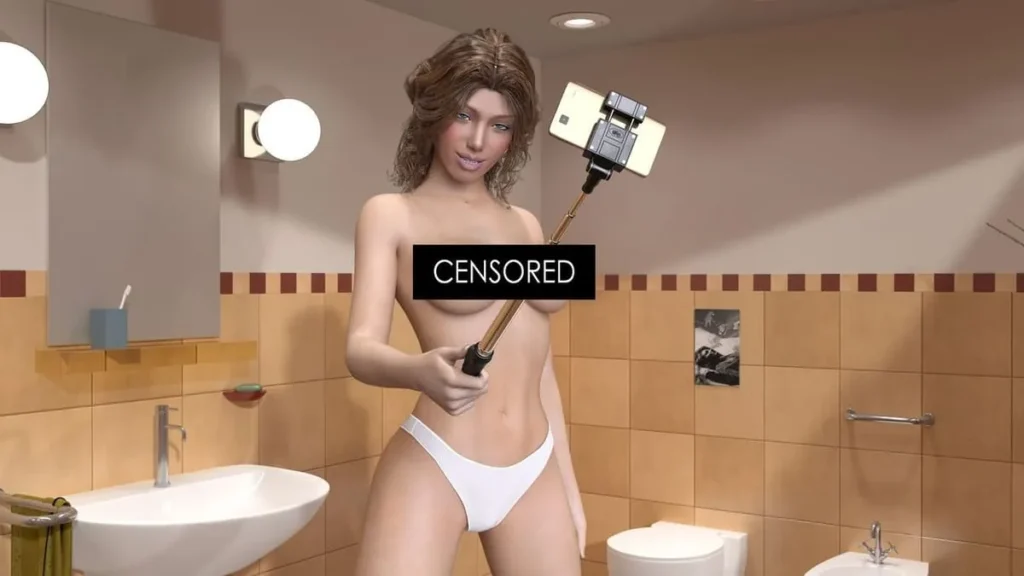
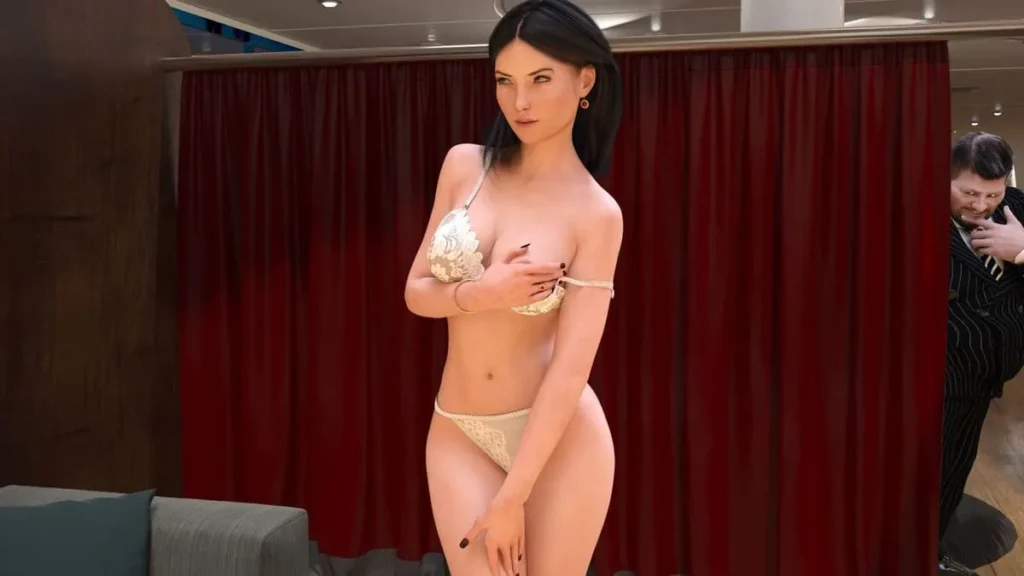

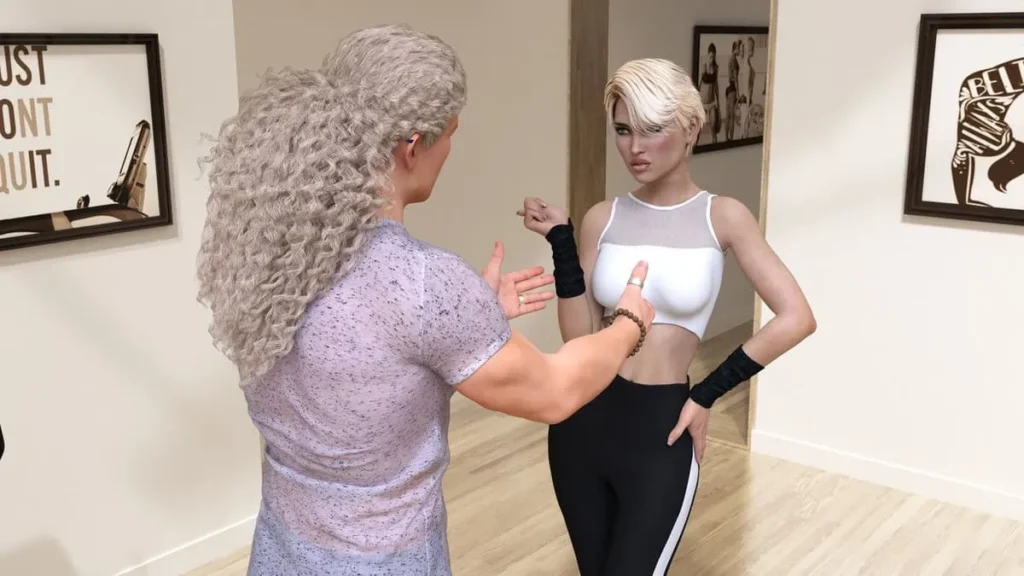

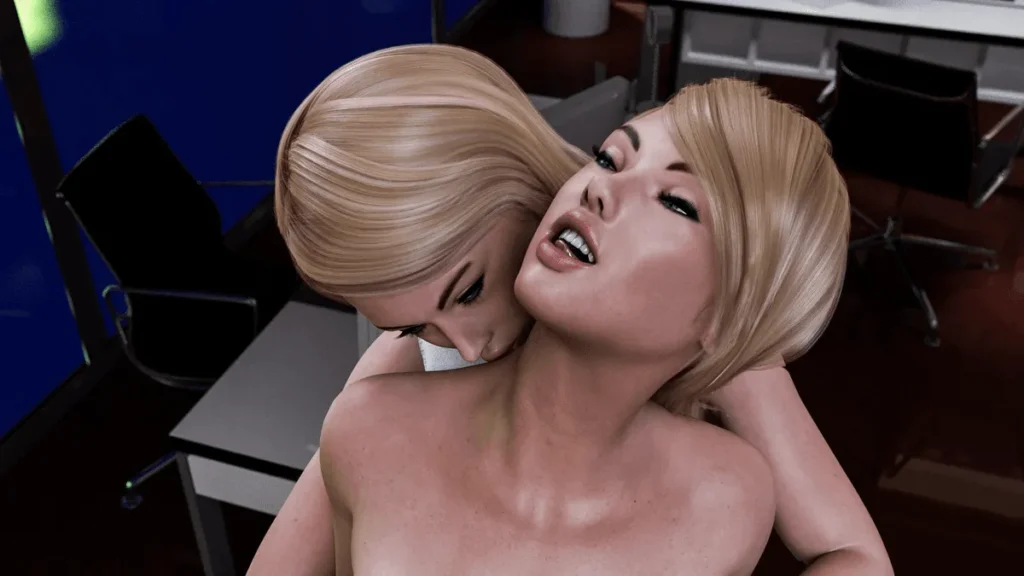

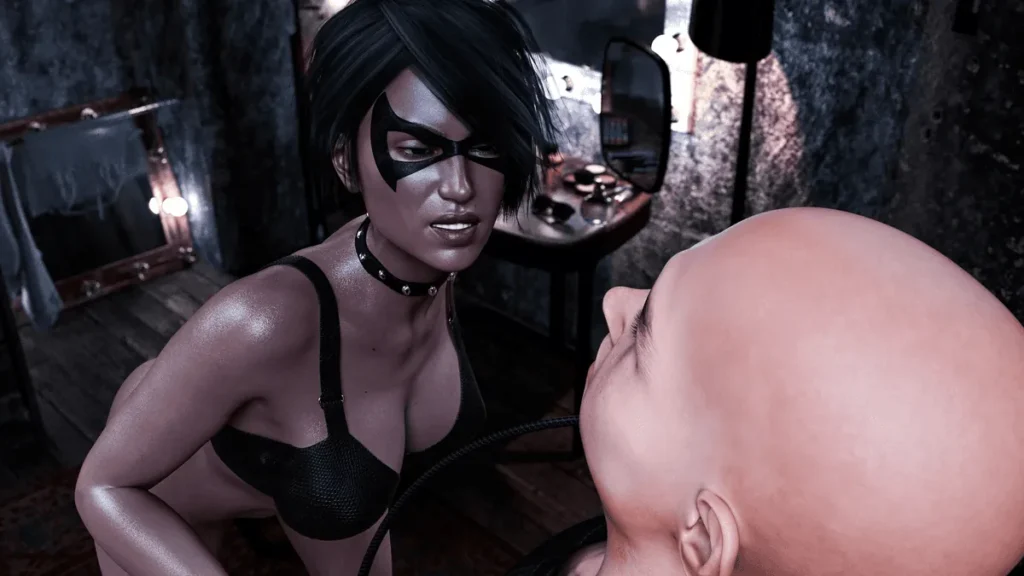



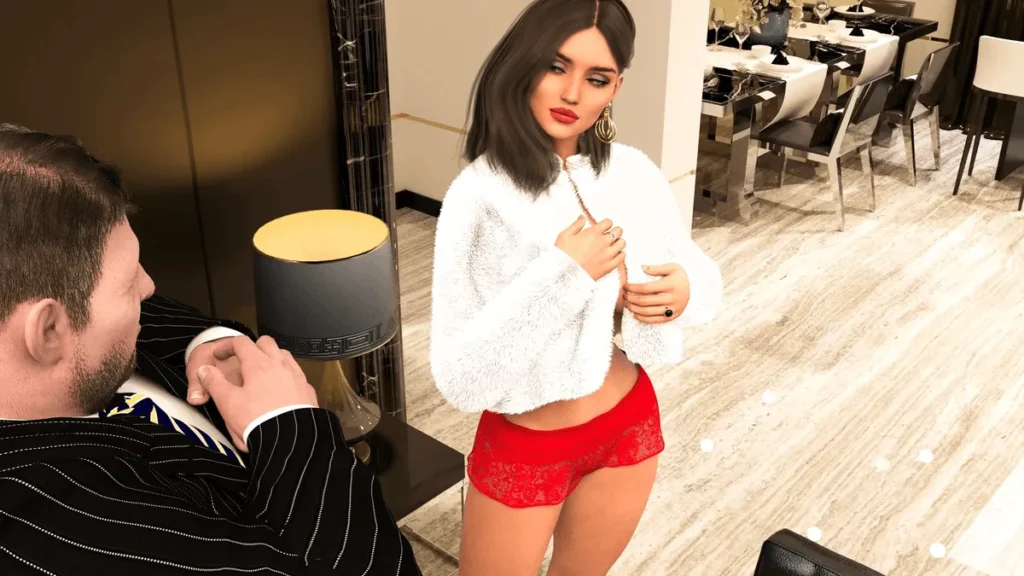

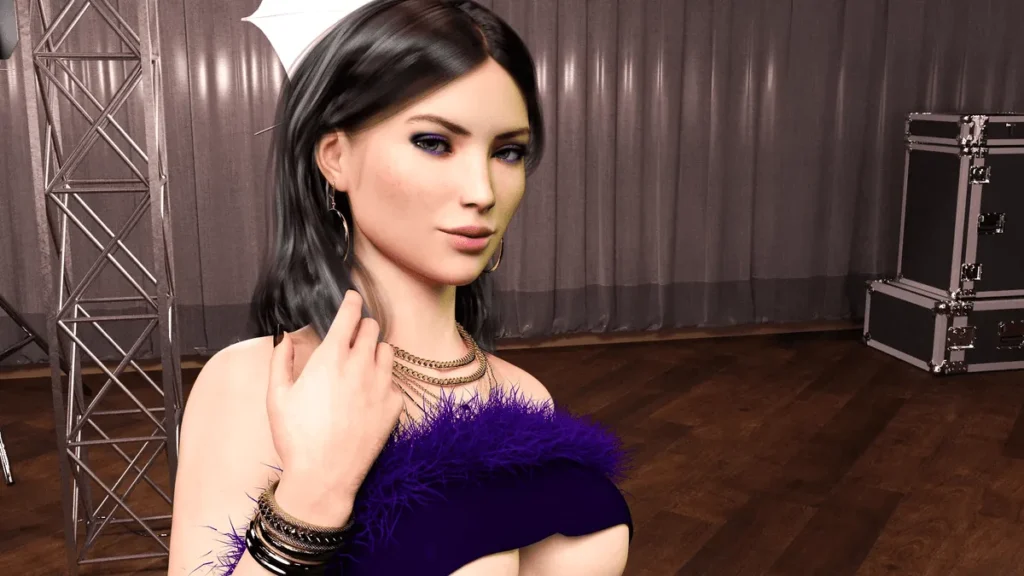
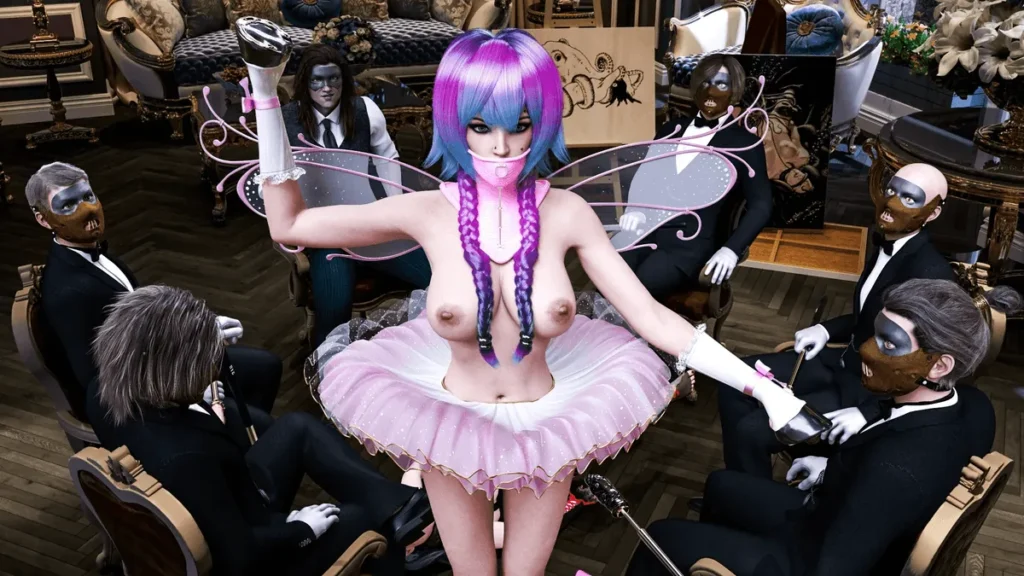
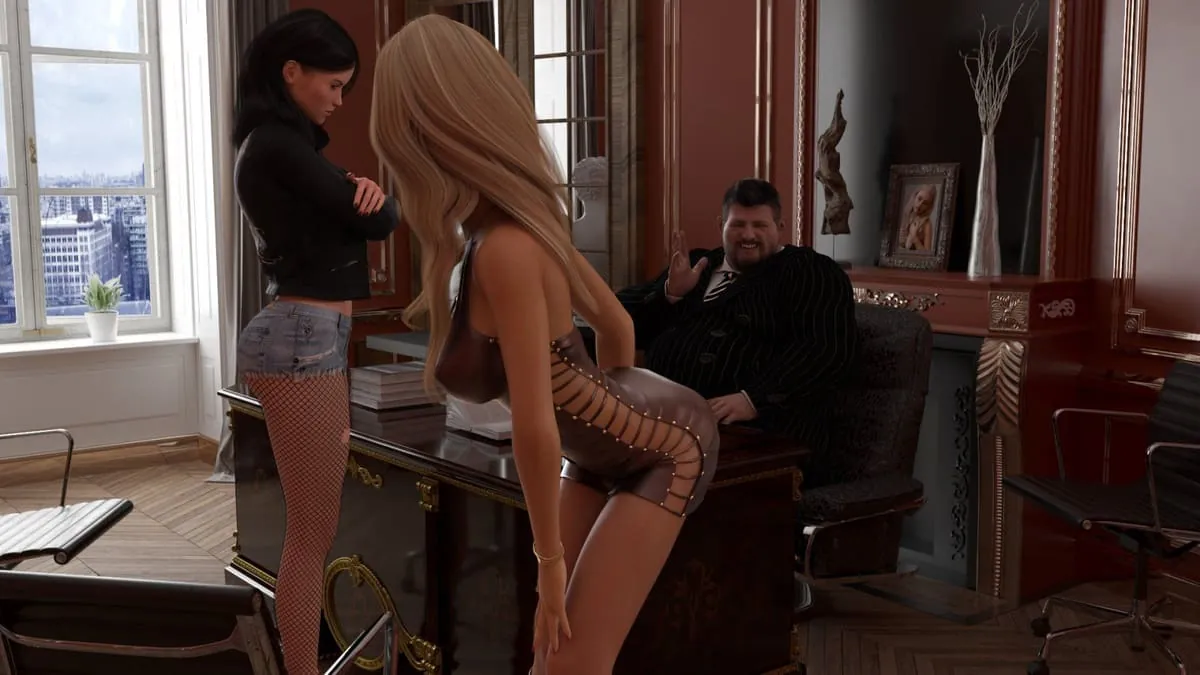
Fashion Business review
Explore the narrative-driven simulation where fashion entrepreneurship meets strategic decision-making
Fashion Business stands out as a narrative-driven simulation that combines entrepreneurial strategy with character-driven storytelling. Players step into the role of Monica Buckfett, a fashion industry professional navigating complex business decisions and personal relationships. The game blends traditional business simulation mechanics with an engaging storyline that explores themes of ambition, power dynamics, and moral choices. Whether you’re interested in fashion industry gameplay, strategic decision-making, or character-driven narratives, Fashion Business delivers a unique experience that challenges players to think critically about their choices and their consequences.
Understanding Fashion Business Game Mechanics and Core Gameplay
Ever get the feeling that running your own fashion empire would be a dream come true? 💭 I know I have. But between sourcing fabrics, managing a team, and keeping the lights on, the reality is a complex web of decisions. That’s where Fashion Business comes in—a game that lets you live that fantasy, from the glamorous photo shoots right down to the stressful bank loans. It’s more than just a dress-up game; it’s a deep, narrative-rich business simulation gameplay experience where every choice you make writes a unique story.
At its heart, Fashion Business is a boutique management simulation that puts you in the designer heels of Monica Buckfett. Your mission? Transform her struggling boutique into a fashion landmark. But be warned: this isn’t a simple tap-and-watch game. The Fashion Business game mechanics are designed to mirror the real pressures and triumphs of entrepreneurship, wrapped in a compelling, character-driven story. Let’s open the doors to your new boutique and explore how it all works.
How the Business Simulation Works
Think of your first day in Fashion Business like your first day at a new job—everything is exciting, a little overwhelming, and full of potential. The core loop is beautifully addictive. You navigate Monica’s world through a classic Point and Click interface, tapping on people and objects to interact. One minute you’re at your desk sketching a new dress silhouette, the next you’re in the staff room trying to pep-talk a demotivated sales assistant. 📊
The daily grind of this business simulation gameplay is a satisfying juggling act. Your primary dashboard is your lifeline, showing key metrics like daily revenue, customer satisfaction, and staff morale. Your main tasks include:
* Selecting & Producing Dress Models: This is your creative engine. You’ll review design options, choose which pieces to produce for the season, and manage your inventory. Picking a winning design can lead to a sell-out day, while a dud can leave your racks full and your coffers empty.
* Staff Management: Your team can make or break you. You can motivate them with bonuses or kind words, manage their schedules, and even hire or fire based on performance. How you treat your staff isn’t just a moral choice; it’s a business one. Happy employees provide better customer service, directly boosting sales.
* Securing Funding: Cash flow is king. A unique story-driven mechanic involves Monica’s husband, Rick. When funds are low, you can choose to ask him for a loan. This isn’t a free pass—it’s a strategic decision-making game moment that affects your relationship storyline and comes with its own set of narrative consequences.
Resource management here is brilliantly tied to time. Each day, Monica has a limited amount of energy. Will you spend it all on micromanaging the shop floor, or will you invest some in a yoga class to boost her own mood and stats? Balancing business operations with personal development is crucial for long-term success. You can’t pour from an empty cup, and you can’t run a successful empire with a burned-out CEO! 🧘♀️ ➡️ 💼
Pro Tip from a Fashion Mogul (in-training): Don’t just chase the daily profit. Early on, I spent a whole in-game week just maximizing sales and ignoring Monica’s needs. By Friday, her stress was through the roof, staff morale plummeted, and we got a terrible review from a famous blogger! It taught me that sustainable growth means caring for the business and the person running it.
Character Development and Executive Management
This is where Fashion Business truly shines. You’re not just managing a store; you’re guiding Monica Buckfett character development. She starts as a passionate but somewhat uncertain boutique owner, and through your decisions, she evolves. This Fashion Business character progression is mirrored in two key areas: her executive skills and her personal style.
Firstly, Monica has core stats—like Creativity, Charisma, and Business Acumen—that increase as you perform related activities. Successfully negotiating with a supplier might boost Business Acumen, while designing a hit dress increases Creativity. These stats unlock new dialogue options, business opportunities, and efficiencies. Watching Monica grow from a novice into a confident leader is incredibly rewarding. 🏆
Secondly, the game offers extensive visual customization. This isn’t frivolous; it’s an extension of her character arc. You can choose Monica’s daily outfits, schedule beauty treatments, and change her hairstyle. Dressing her in a powerful pantsuit for a big investor meeting just feels different than choosing a casual look for a design day. It’s a subtle but powerful way to role-play her rising status and personal evolution.
Let’s look at how this character-focused management plays out in a typical day.
Example: A Day in the Life of Monica Buckfett
* 9:00 AM: You start at home. You choose an elegant blazer and skirt set (boosting Confidence stat) instead of jeans. This is a strategic decision-making game moment—the outfit will help in a later meeting.
* 10:00 AM: At the boutique, you click on your head seamstress. She’s frustrated about fabric quality. You choose the dialogue option unlocked by your high Charisma to calmly resolve the issue, keeping production on schedule.
* 2:00 PM: A difficult customer returns a dress. You can refund angrily (fast, but hurts reputation), or use high Creativity to suggest a stunning alteration that turns her into a brand ambassador. You choose the latter, spending energy but gaining a loyal client.
* 5:00 PM: You have energy left. Do you click on the ledger to review finances, or on the spa brochure for a stress-relief treatment? You choose the spa, lowering Monica’s stress to prevent a penalty tomorrow.
* Narrative Ripple: That calm resolution with the seamstress at 10 AM? Because you avoided a staff strike, you have enough inventory next week to fulfill a surprise bulk order from a hotel—an opportunity you’d have missed otherwise. Every action cascades!
Strategic Decision-Making and Consequences
Fashion Business operates on a simple but profound principle: your choices matter. This isn’t a linear story. It’s a web of interconnected strategic decision-making game threads where early, seemingly minor decisions can dramatically alter late-game opportunities. The consequence system is the engine of its replayability.
Remember that loan from Rick? How you ask for it, how often you do it, and if you pay it back, weaves a subplot that affects your marriage storyline and even the final business valuation. Your servant management mechanics are equally pivotal. Choose to exploit your staff for short-term gains, and you may face a walkout during your biggest fashion show. Treat them with respect and invest in their training, and they might pull together to save the day during a crisis.
This all builds toward the crown jewel of the Fashion Business game mechanics: the Fashion Business multiple endings system. Your journey with Monica can conclude in numerous ways. Will she become a ruthless fashion magnate, a beloved community icon, a balanced entrepreneur with a happy family, or will the business collapse under the weight of her choices? The ending is a direct reflection of your management style, relationship choices, and ethical compass throughout the game.
To visualize how these paths diverge, let’s look at some key decision points:
| Early-Game Decision Point | The “Cutthroat Mogul” Path | The “Compassionate Leader” Path | Long-Term Consequence |
|---|---|---|---|
| Handling a design thief (a competitor copies your dress). | Sue aggressively, publicly shame them. Costs money and time. | Confront privately, propose a collaboration. Uses Charisma. | Aggression gains short-term industry fear but creates bitter rivals. Collaboration unlocks a partnership line later, boosting brand reach. |
| Staff asks for a pay raise during a profitable month. | Refuse, citing future investments. Boosts immediate capital. | Grant the raise, and throw a small celebration. Costs capital. | Refusal lowers morale, increasing future error rates. Granting it skyrockets loyalty and efficiency, reducing costs from mistakes. |
| An investor offers major funding with strict creative control. | Accept the deal. Business grows fast but becomes impersonal. | Politely decline, seeking slower, independent growth. | Fast growth leads to endings about corporate dominance but personal emptiness. Independent growth leads to endings about legacy and authentic brand identity. |
Mastering Fashion Business is about understanding that everything is connected. The boutique management simulation is the stage, and Monica Buckfett character development is the lead role, but you are the director. Your strategic decision-making game prowess determines whether the final curtain falls on a tragedy, a fairytale, or something beautifully, realistically in-between. So, what kind of fashion legend will you create? The world is waiting for your unique collection, your management style, and most importantly, your story. ✨
Fashion Business delivers a sophisticated blend of business simulation and character-driven narrative that rewards thoughtful decision-making. The game’s strength lies in its well-written protagonist, Monica Buckfett, whose journey from fashion industry outsider to powerful entrepreneur provides genuine emotional stakes. The consequence system ensures that player choices matter, creating multiple distinct playthroughs with different outcomes and endings. Whether you’re drawn to the strategic business management aspects, the complex character relationships, or the narrative exploration of ambition and power dynamics, Fashion Business offers meaningful engagement. The game’s visual presentation and realistic character models enhance the immersive experience, while the multiple narrative paths encourage experimentation and replay. For players seeking a story-driven simulation that doesn’t shy away from mature themes and complex moral choices, Fashion Business stands as a compelling option that respects player agency and delivers consequences that feel earned rather than arbitrary.